Кодекс этики в
сфере ИИ


Что такое Кодекс этики в сфере ИИ?
- Носит рекомендательный характер
- Присоединение осуществляется на добровольной основе
- Распространяется только на гражданские разработки
События
Наиболее значимые и интересные новости в области этики искусственного интеллекта
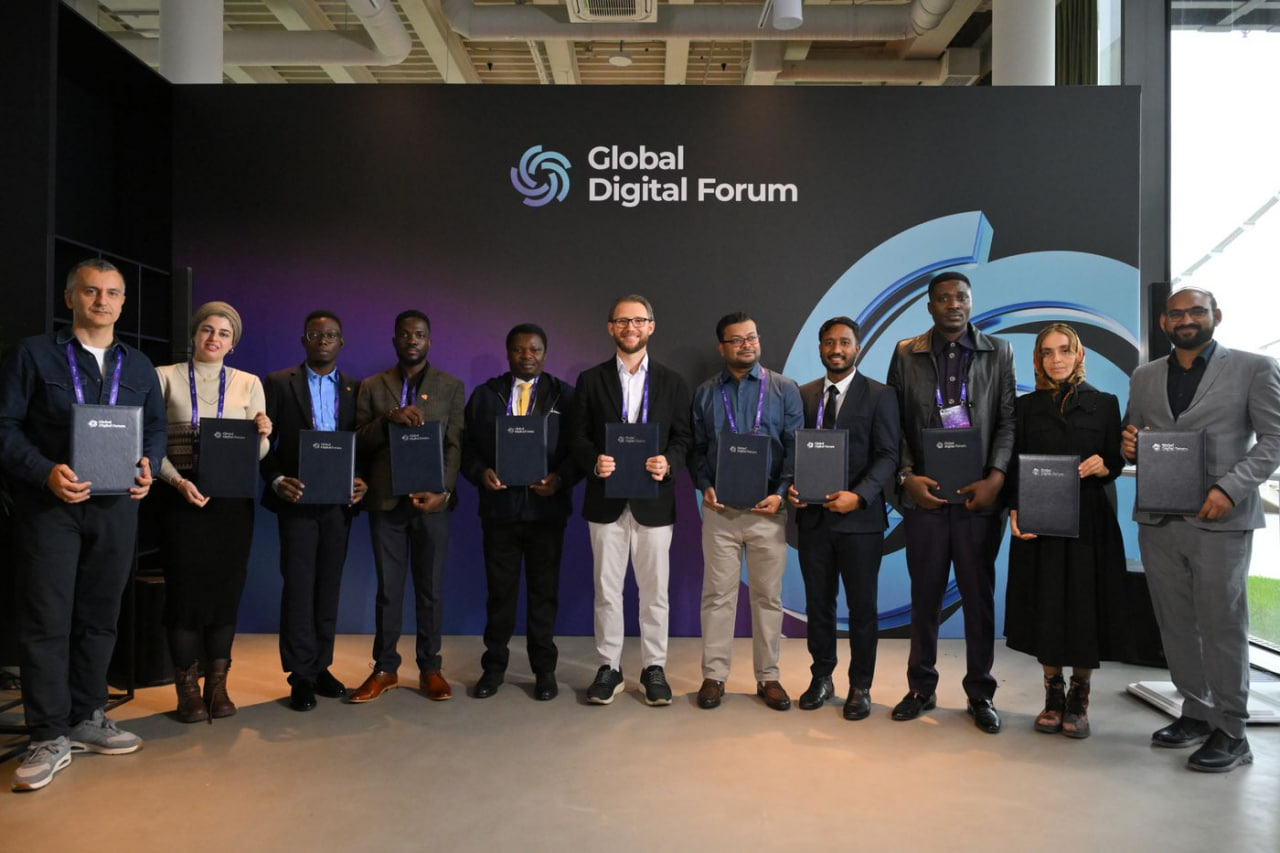
Представители 12 стран присоединились к Кодексу этики ИИ на втором Глобальном цифровом форуме
На сегодня Кодекс подписали уже более 1400 организаций, включая свыше 90 зарубежных компаний
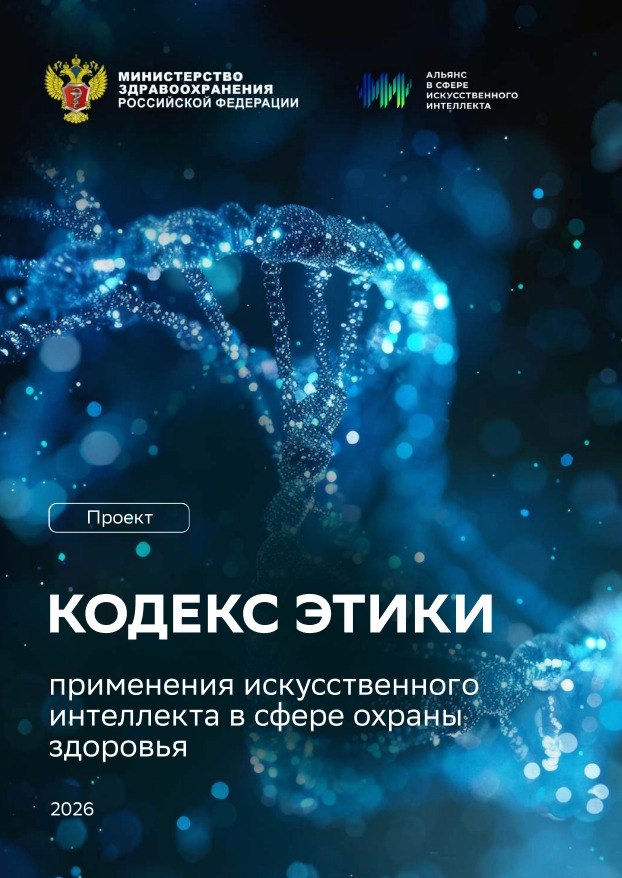
Представили первую объединенную редакцию Кодекса этики ИИ в здравоохранении Минздрава и Альянса
Представили первую объединенную редакцию Кодекса этики ИИ в здравоохранении Минздрава и Альянса
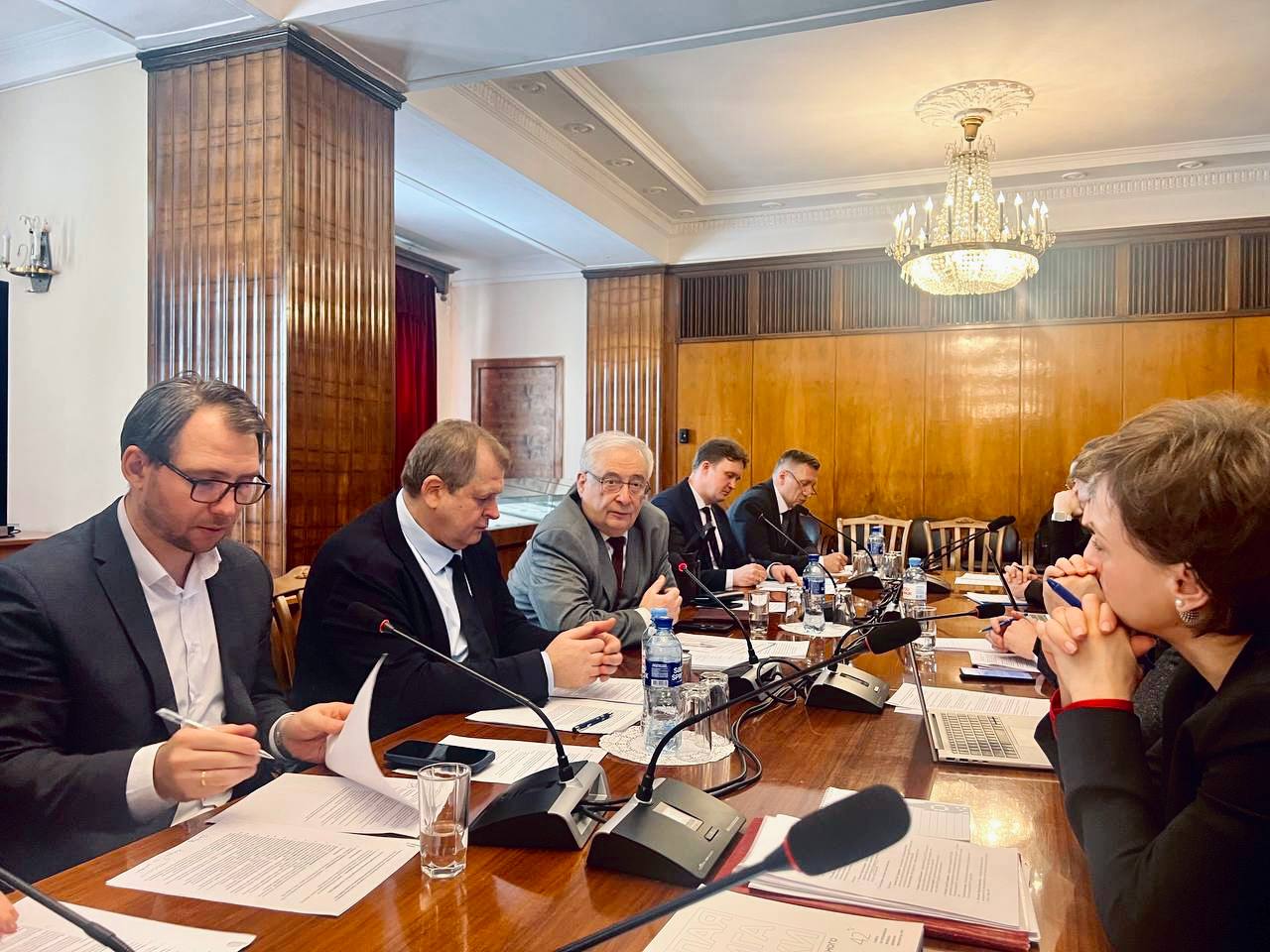
В МИД России прошло заседание Комитета по вопросам этики ИИ при Комиссии РФ по делам ЮНЕСКО
В МИД России прошло заседание Комитета по вопросам этики ИИ при Комиссии РФ по делам ЮНЕСКО
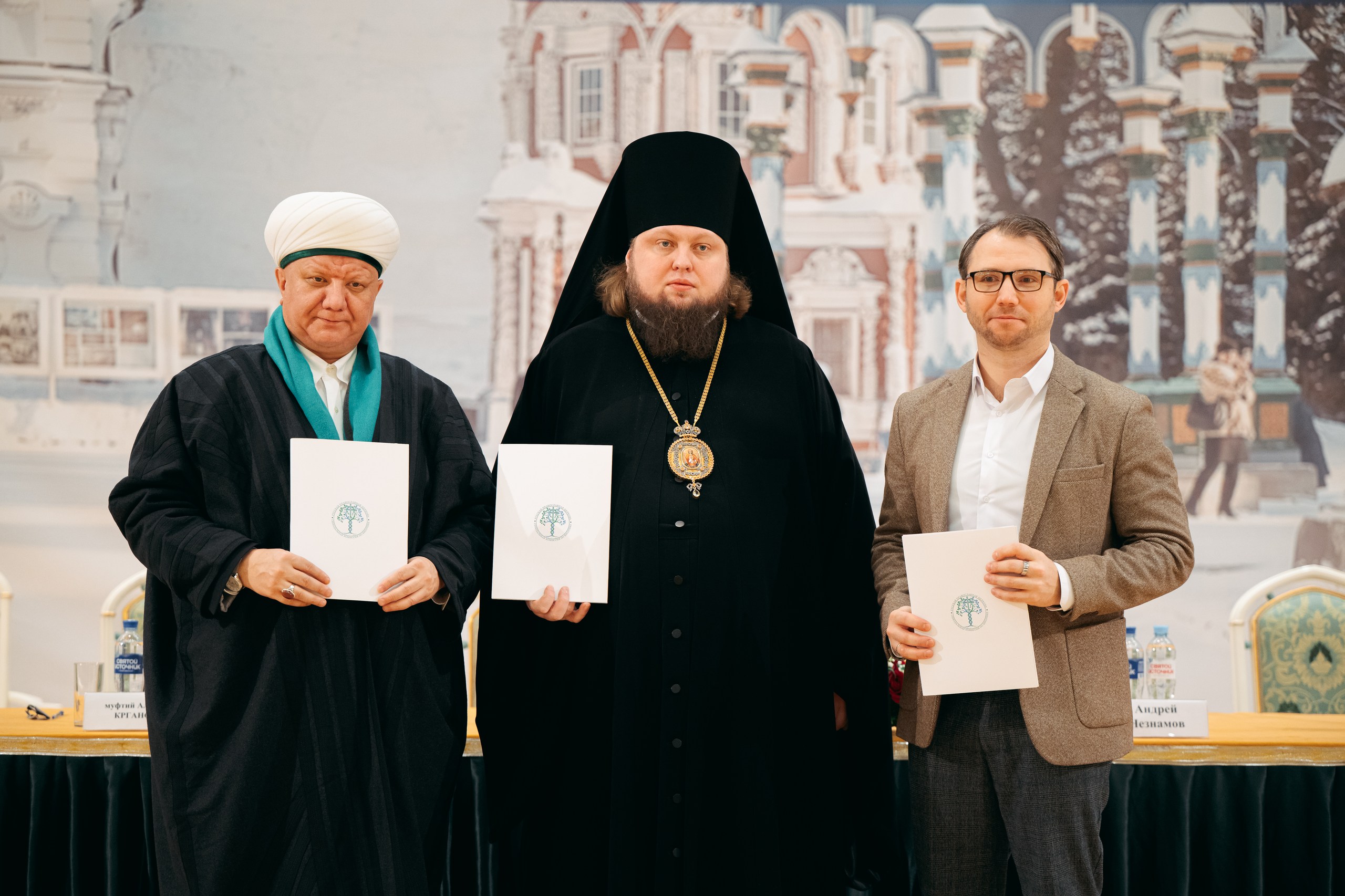
В России создан Консультативный совет по этике в сфере ИИ
В России создан Консультативный совет по этике в сфере ИИ
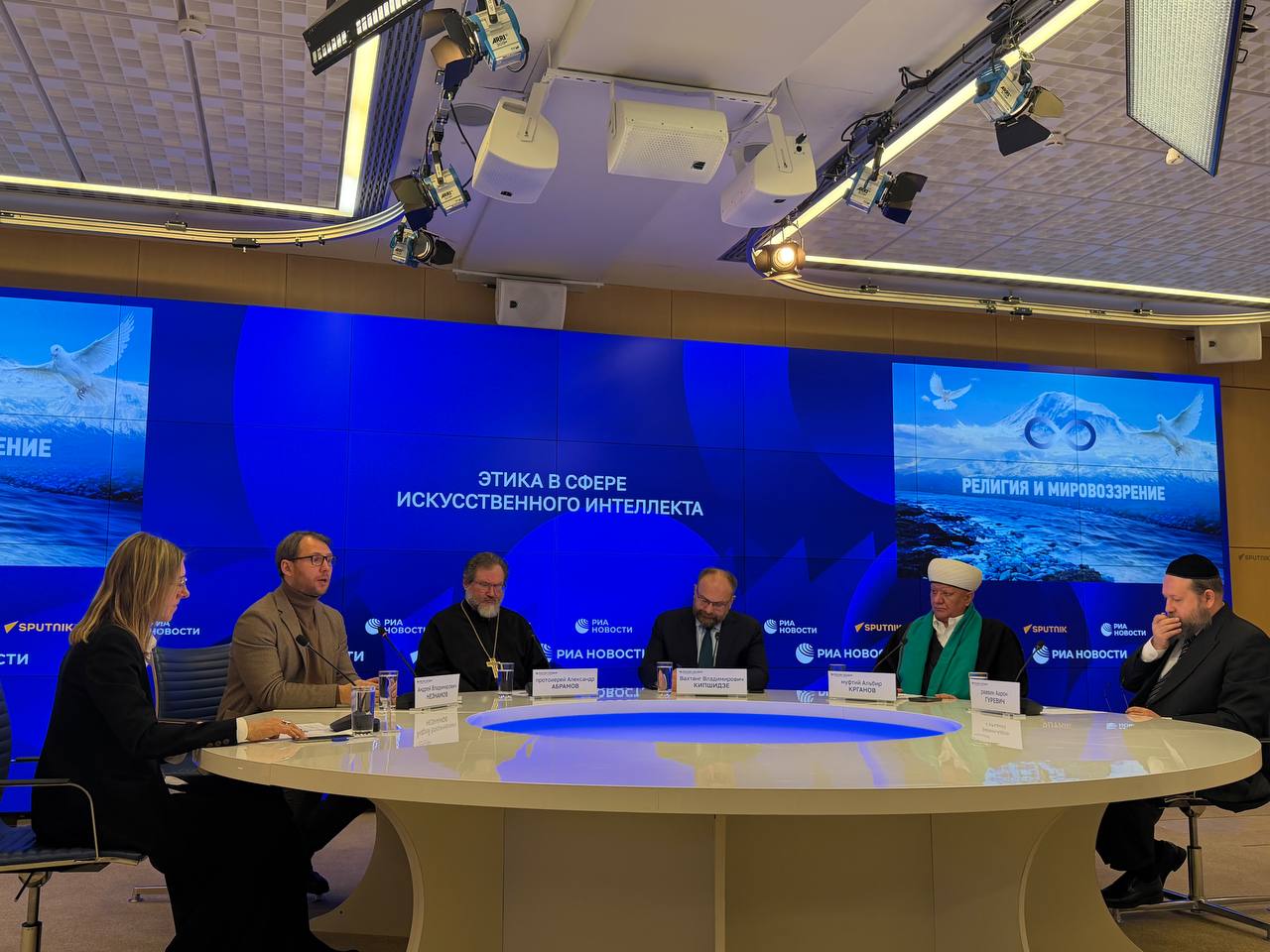
В России создается Консультативный совет по этике в сфере ИИ с представителями традиционных религий
В России создается Консультативный совет по этике в сфере ИИ с представителями традиционных религий
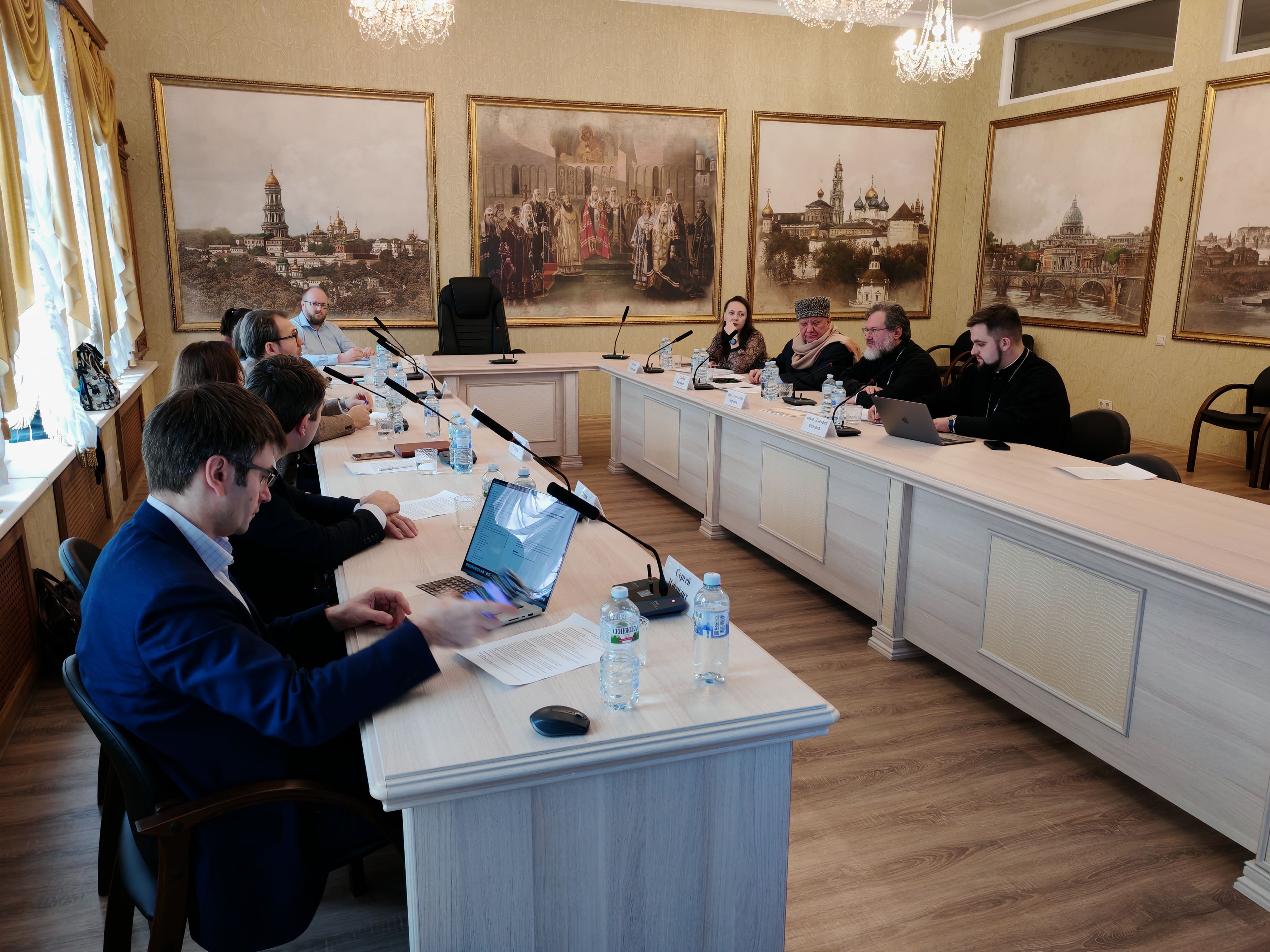
Состоялось первое организационное заседание Консультативного совета по этике в сфере ИИ
Состоялось первое организационное заседание Консультативного совета по этике в сфере ИИ
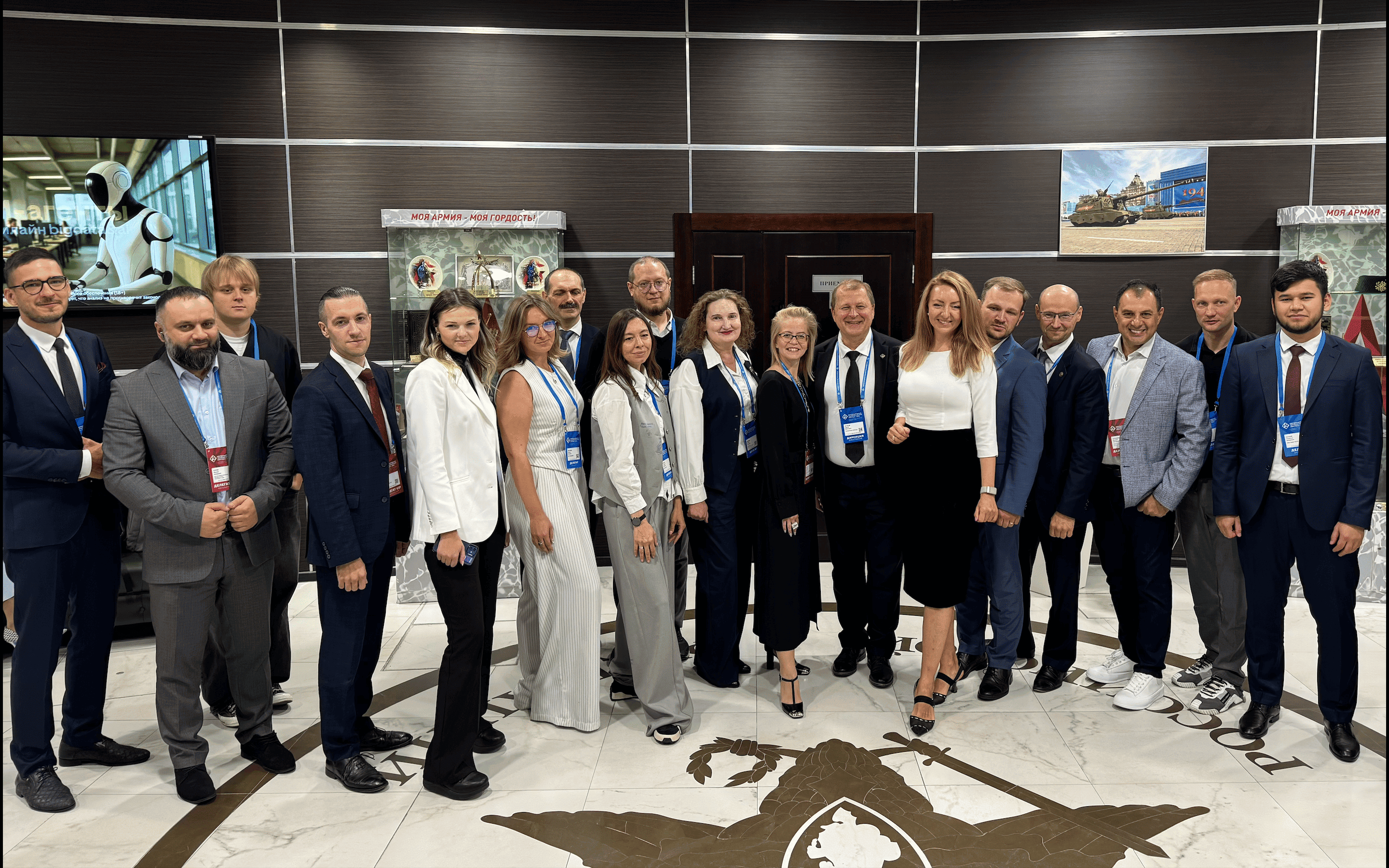
17 сентября к Кодексу этики в сфере ИИ присоединились 73 организации
На мероприятии к Кодексу присоединились три ассоциации
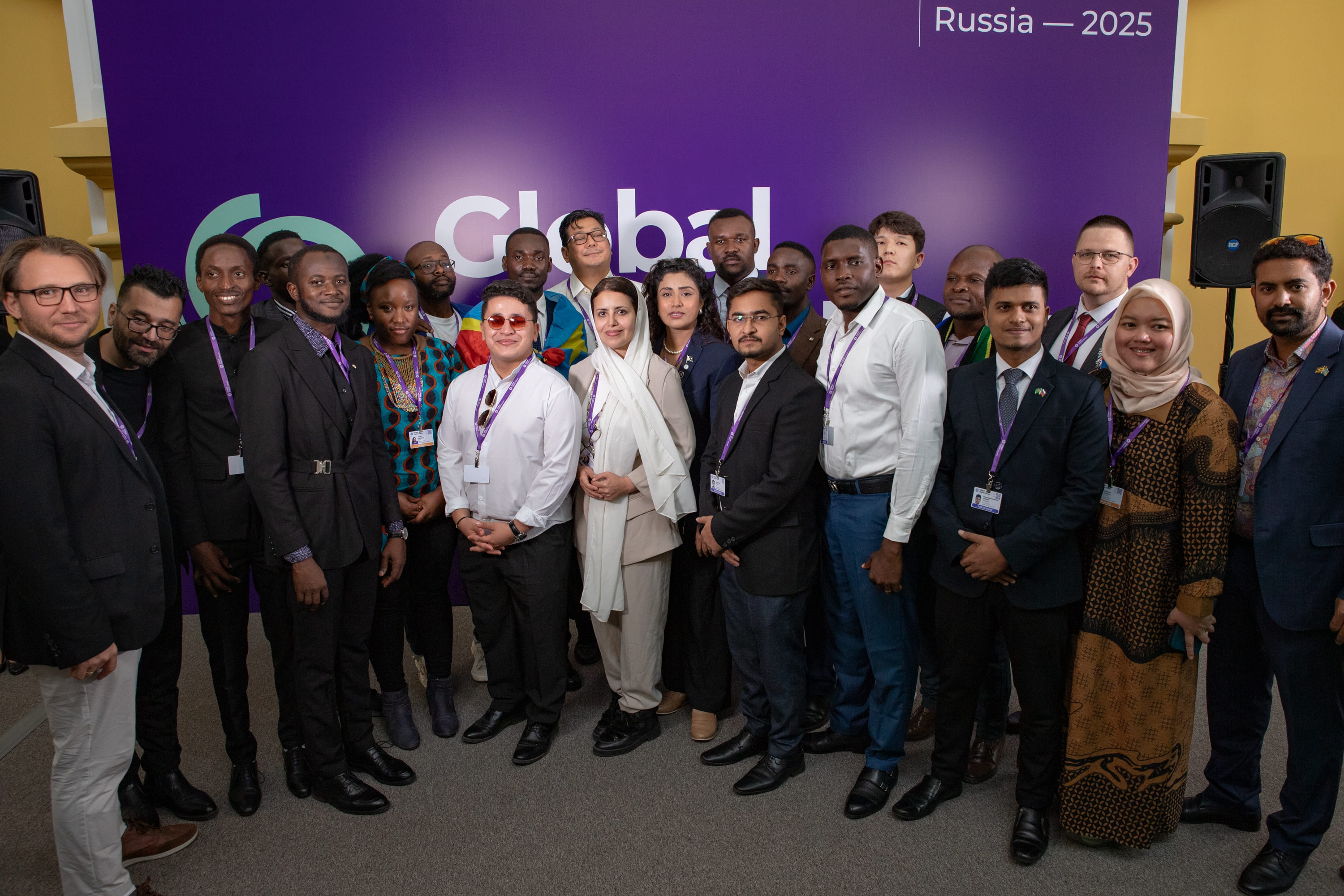
К кодексу этики в сфере ИИ присоединились 33 организации из 22 стран
На сегодня Кодекс подписали уже более 900 организаций, включая свыше 80 зарубежных компаний
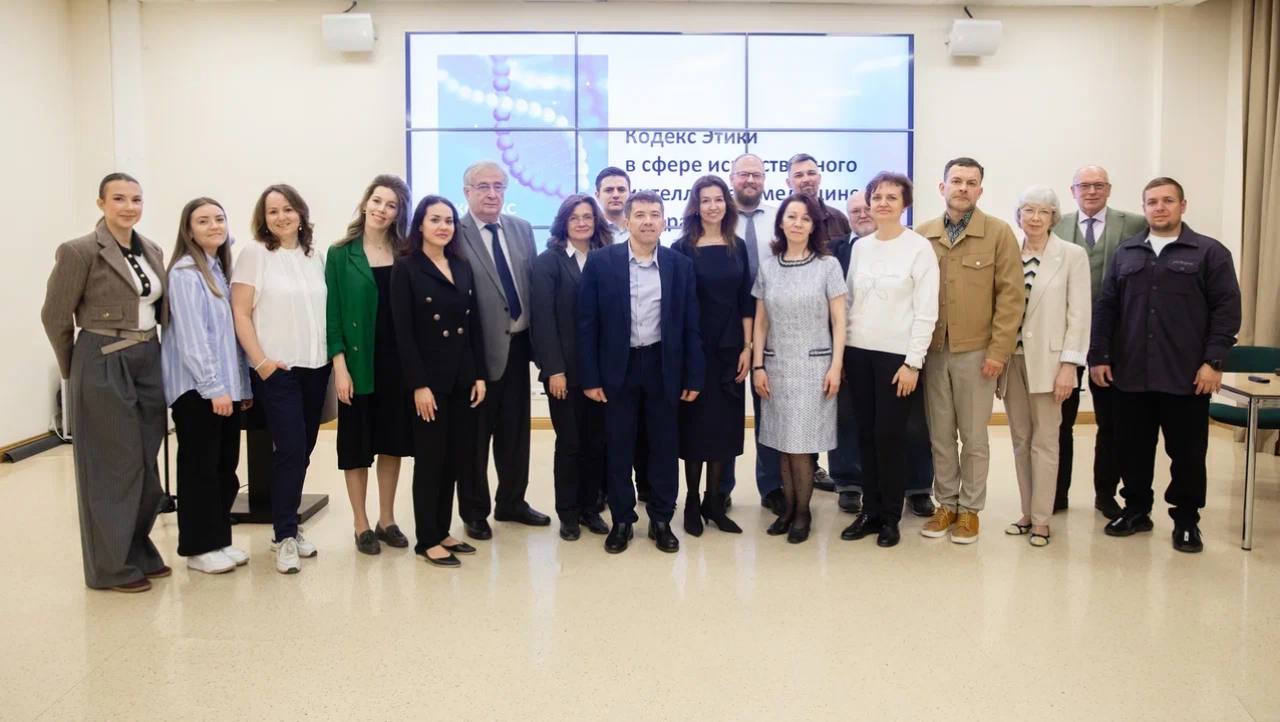
Альянс в сфере ИИ представил Кодекс этики в сфере ИИ в медицине и здравоохранении
Официальная церемония подписания состоялась 25 апреля.

Альянс в сфере ИИ представил Белую книгу этики искусственного интеллекта
На международной конференции AI Journey состоялась презентация Белой книги этики в сфере ИИ
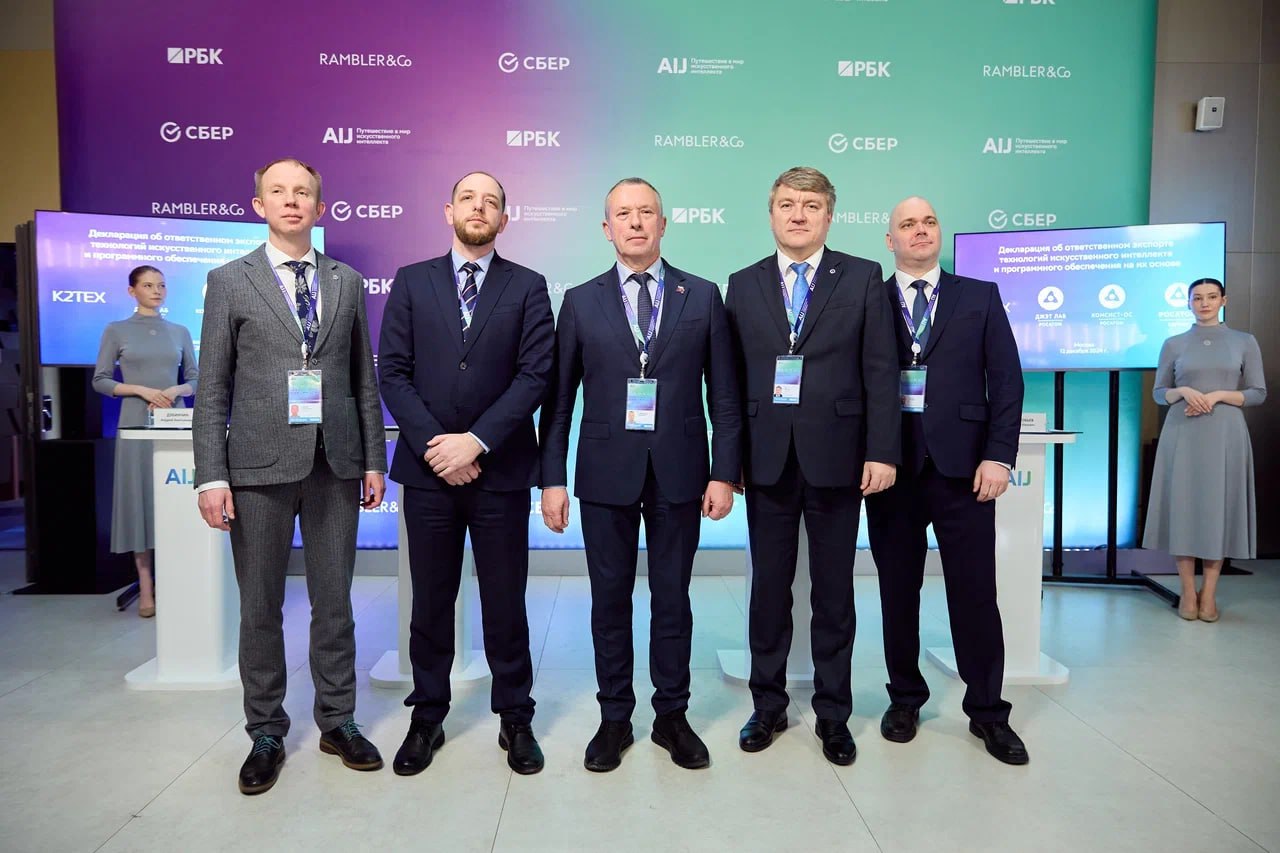
AIJ: Новые компании присоединились к Декларации об ответственном экспорте технологий ИИ
Ряд технологических компаний подписали Декларацию об ответственном экспорте технологий ИИ
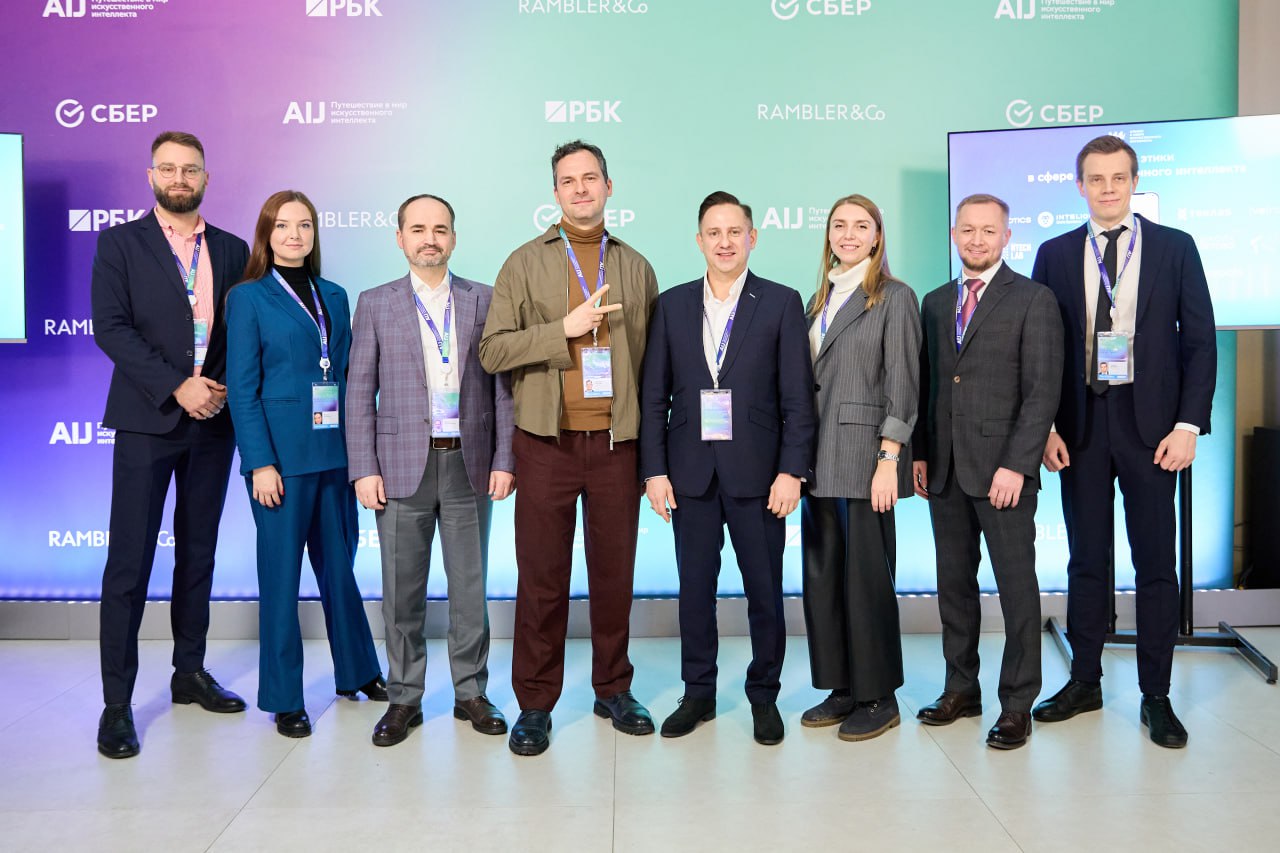
AI Journey: 17 новых участников, в том числе иностранные, присоединились к Кодексу этики ИИ
Торжественная церемония подписания состоялась во время международной конференции по ИИ
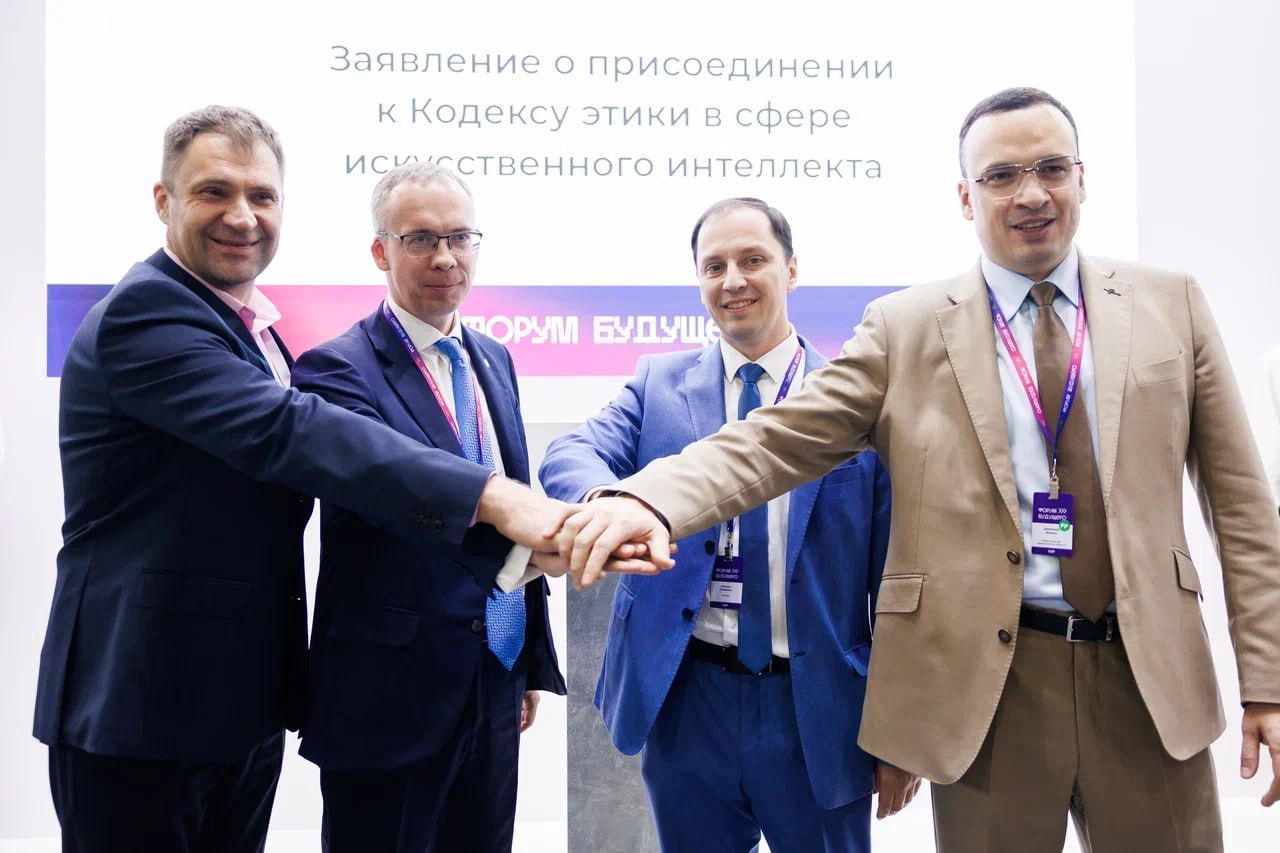
Церемония подписания Кодекса этики ИИ прошла на «Форуме будущего» в Екатеринбурге
В рамках Форума к Кодексу этики в сфере ИИ присоединились ведущие организации Урала
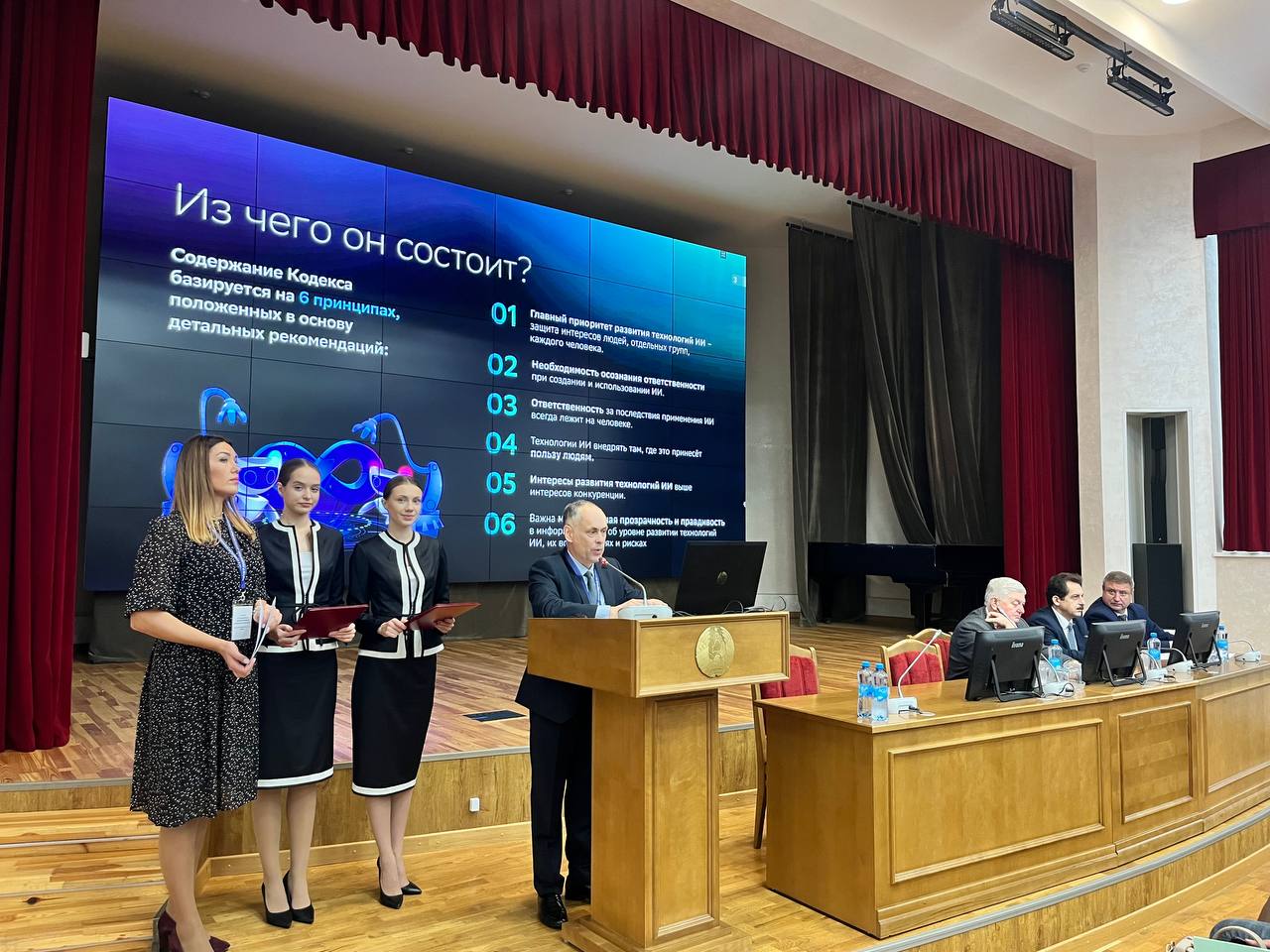
На III Форуме IТ-Академграда к Кодексу этики в сфере ИИ присоединились шесть белорусских организаций
Торжественная церемония подписания состоялась в Объединенном институте проблем информатики НАН
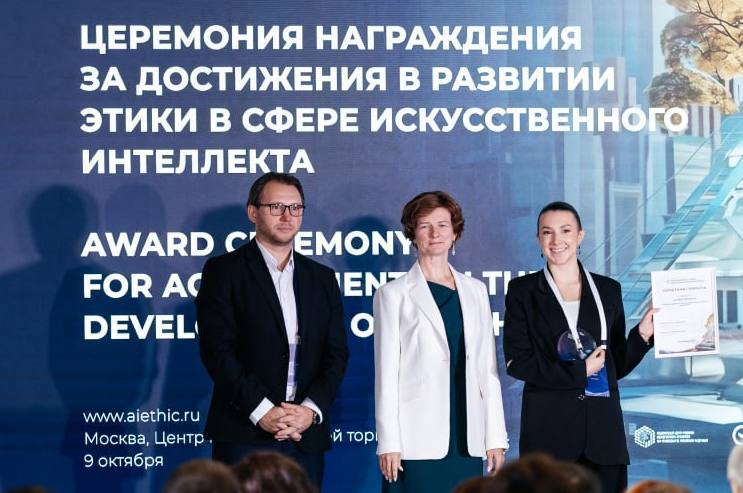
Форум этики в сфере ИИ: торжественное вручение премий в сфере этики ИИ
На полях Форума этики в сфере ИИ прошла вторая торжественная церемония награждения премиями.
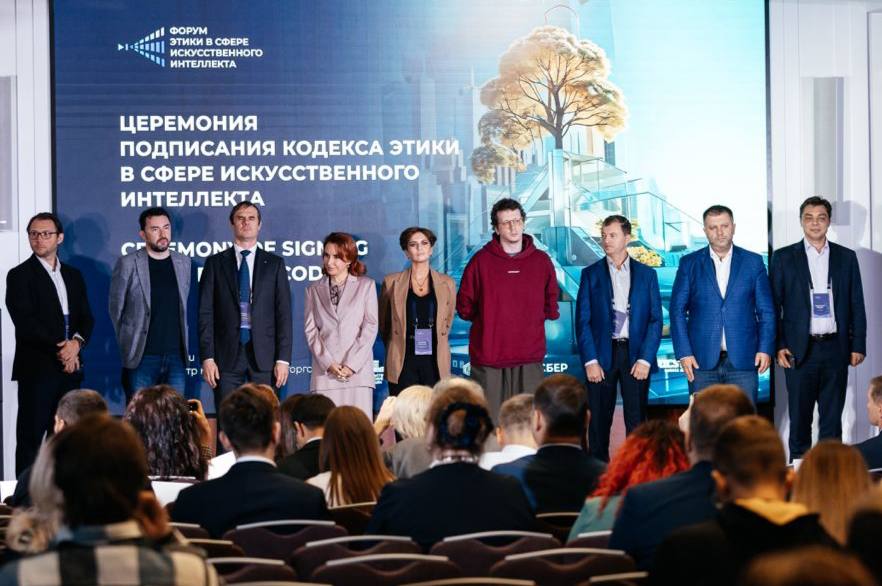
Новые участники присоединились к Кодексу этики ИИ на Форуме этики в сфере ИИ
Кодекс этики в сфере искусственного интеллекта (ИИ) подписали шестнадцать новых участников.
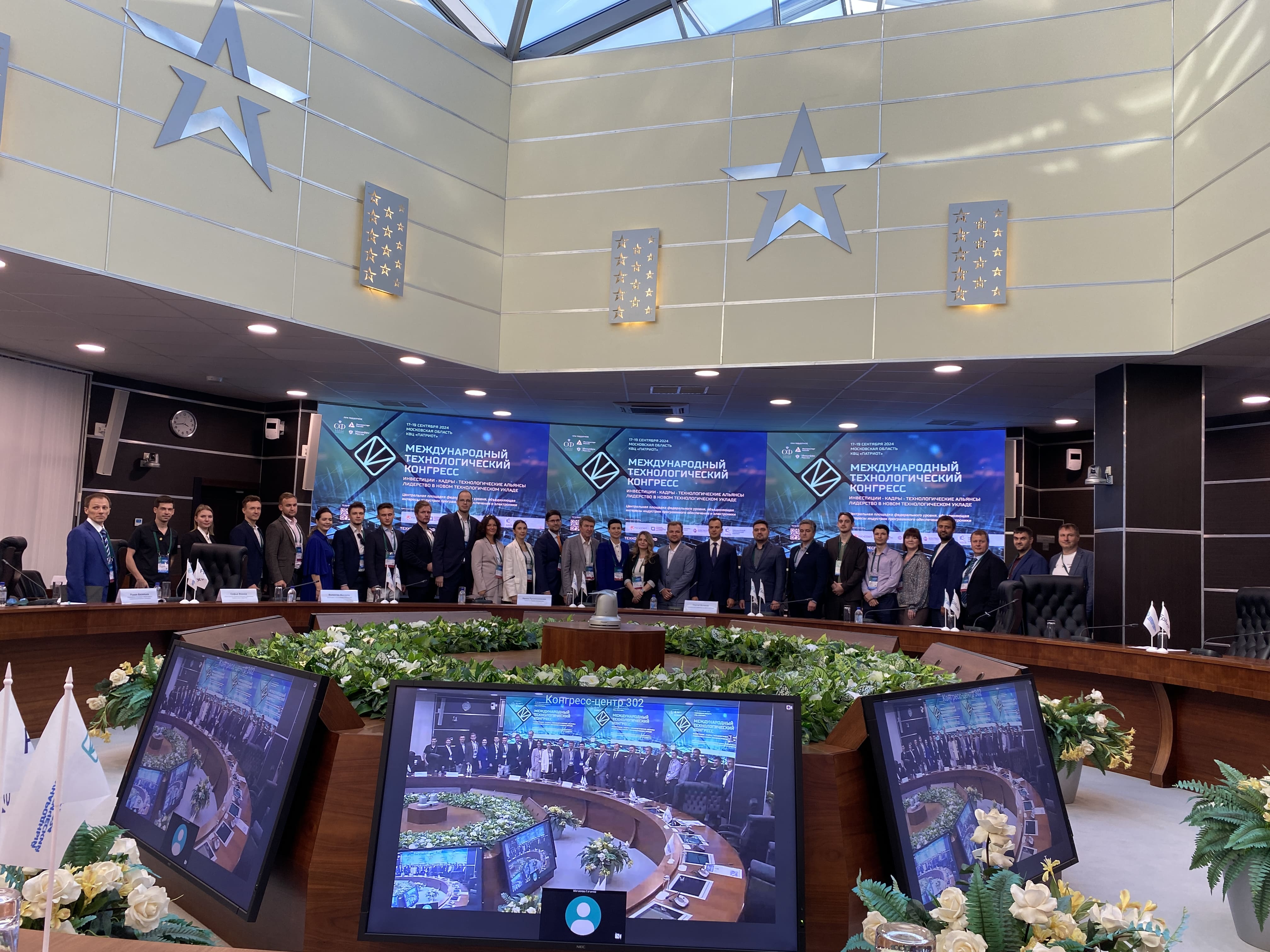
В рамках ТехКонгресса состоялось массовое подписание Кодекса этики в сфере ИИ
На полях Международного технологического конгресса к Кодексу присоединилось 423 организации
По итогам голосования представлен новый состав Комиссии по реализации Кодекса этики в сфере ИИ
В пятницу, 26 июля, подведены итоги голосования за переизбрание председателя и состава Комиссии

К Кодексу этики в сфере ИИ присоединились более 30 новых участников
Общее число подписантов Кодекса превысило 400
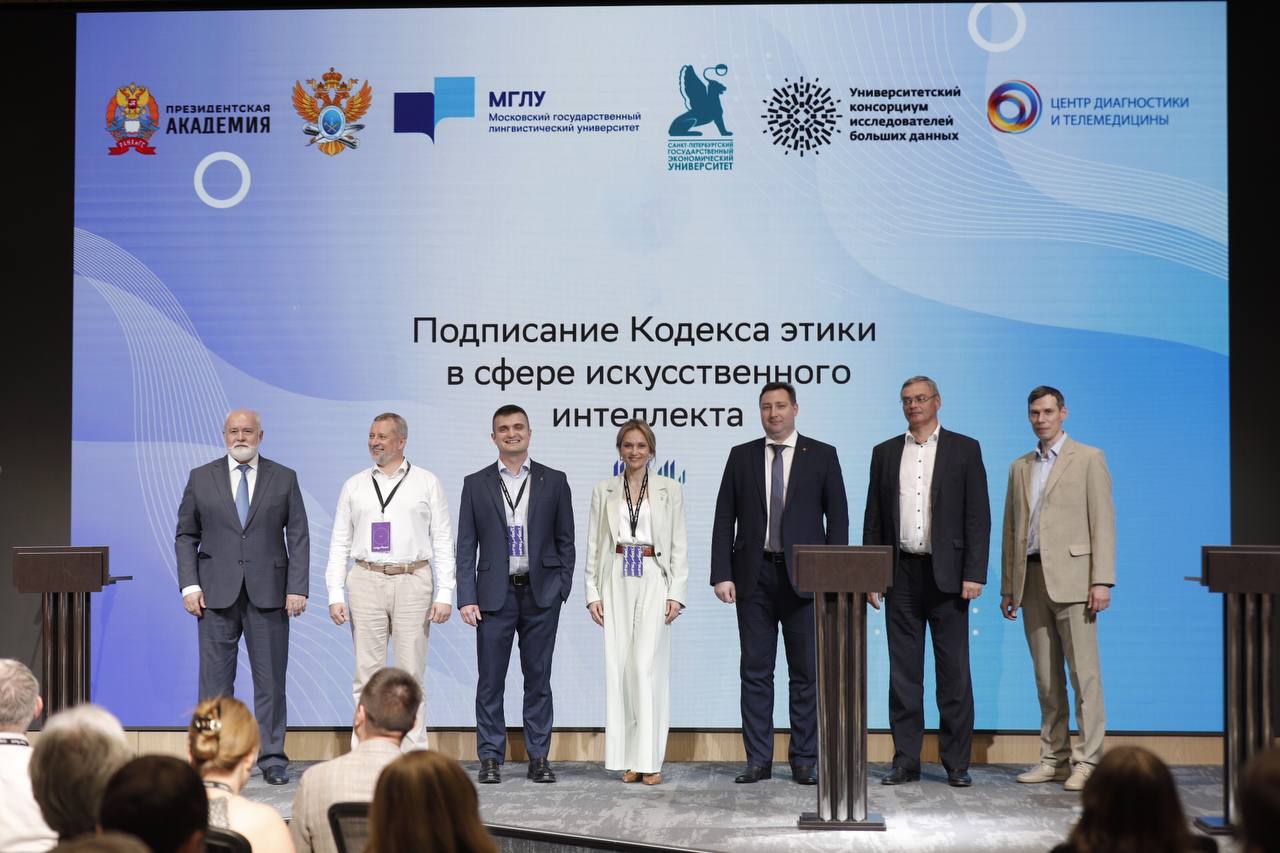
Новые участники присоединились к Кодексу этики ИИ на Премии Гравитация 2024
Национальный Кодекс этики в сфере искусственного интеллекта подписали семь новых участников
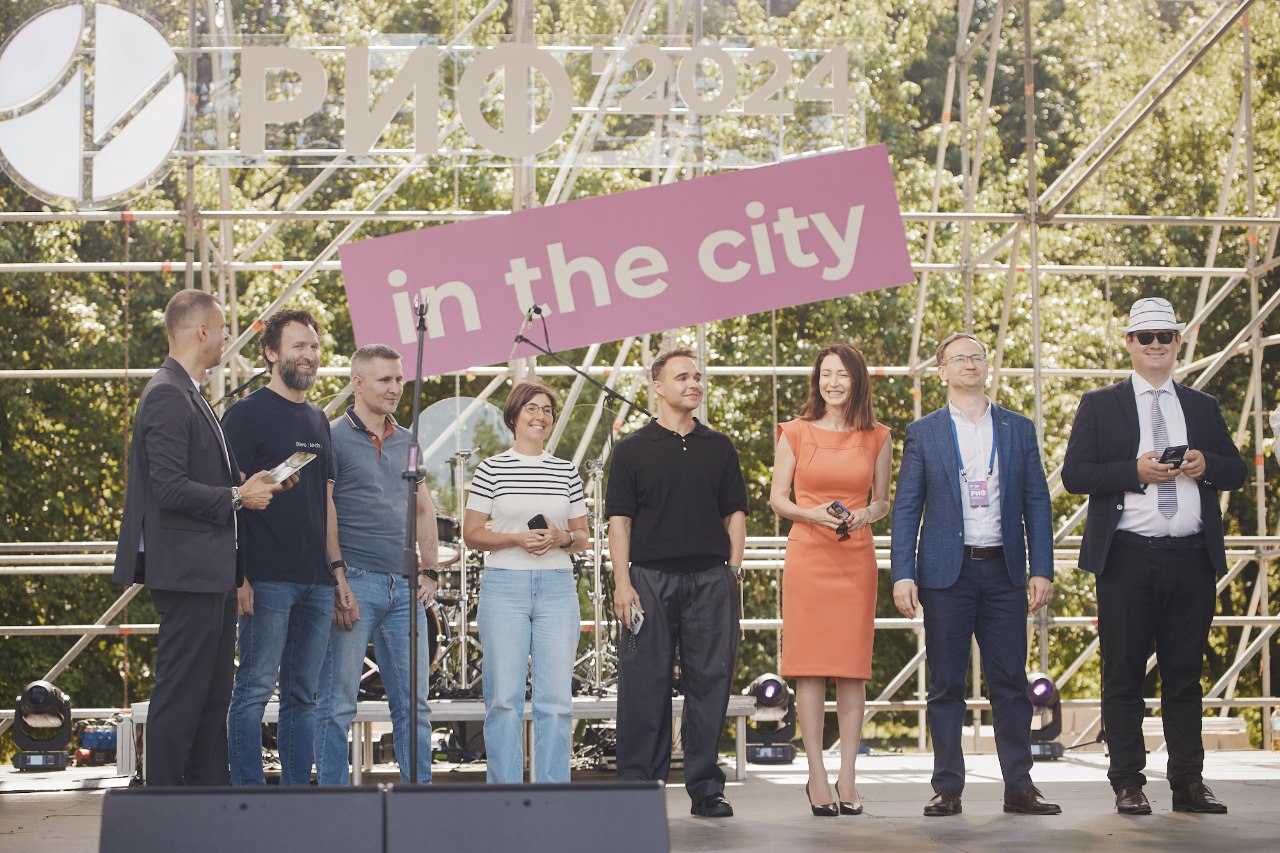
Новые участники присоединились к Кодексу этики ИИ на RIF 2024
Национальный Кодекс этики в сфере искусственного интеллекта (ИИ) подписали восемь новых участников
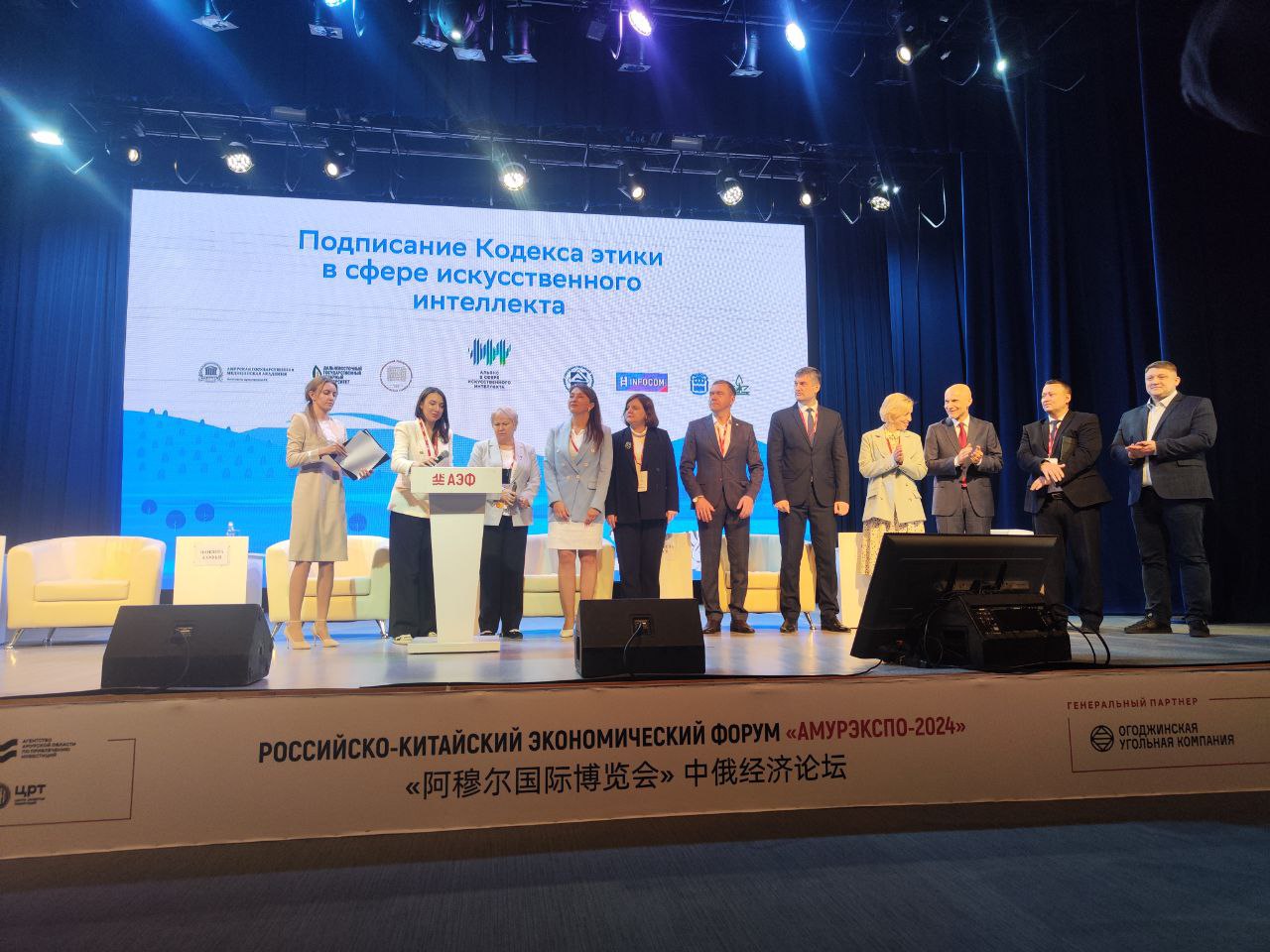
АЭФ 2024: 9 новых участников присоединились к Кодексу этики ИИ
Национальный Кодекс этики в сфере искусственного интеллекта (ИИ) подписали девять новых участников.

Рекомендации Комиссии по теме создания и использования цифровых имитаций
Рекомендации Комиссии по теме создания и использования цифровых имитаций
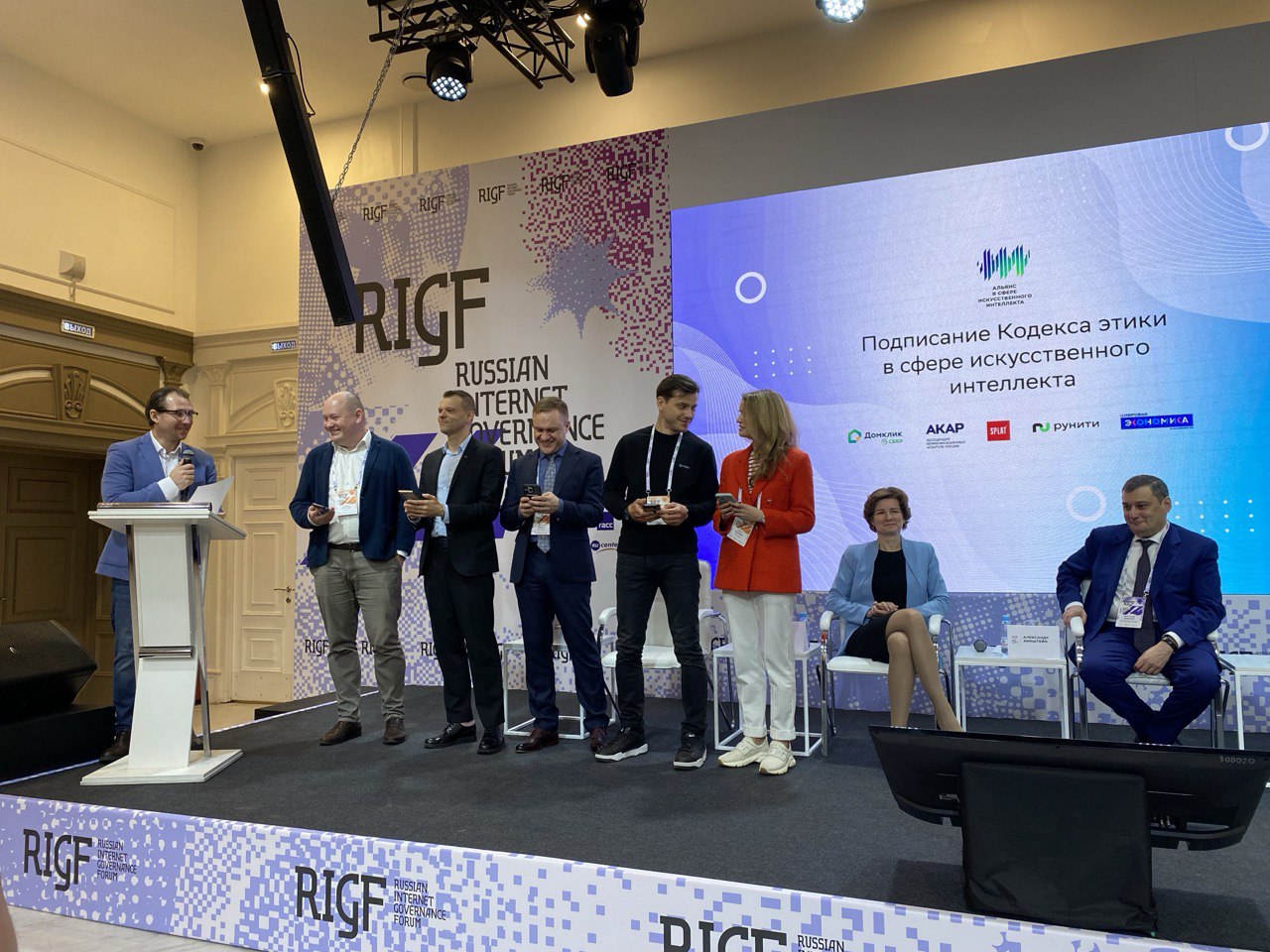
RIGF 2024: 5 новых участников присоединились к Кодексу этики ИИ
RIGF 2024: 5 новых участников присоединились к Кодексу этики ИИ
Участники Альянса в сфере ИИ добились упрощения экспорта ИИ-технологий
Участники Альянса в сфере ИИ добились упрощения экспорта ИИ-технологий

Рекомендации Комиссии по реализации Кодекса этики в сфере ИИ
Прозрачность алгоритмов искусственного интеллекта и информационных систем на их основе
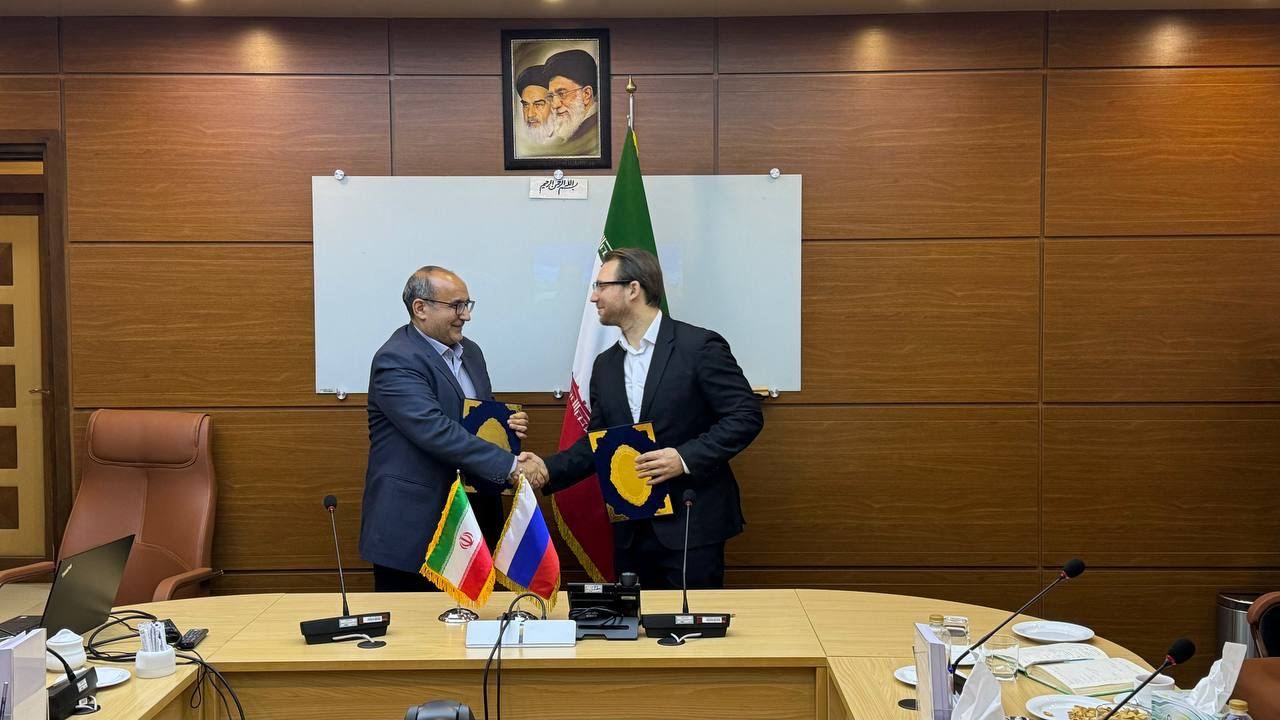
Сегодня был подписан Меморандум о сотрудничестве с Ираном по вопросам этики в сфере ИИ
В Тегеране был подписан Меморандум по исследованию вопросов этики в сфере ИИ
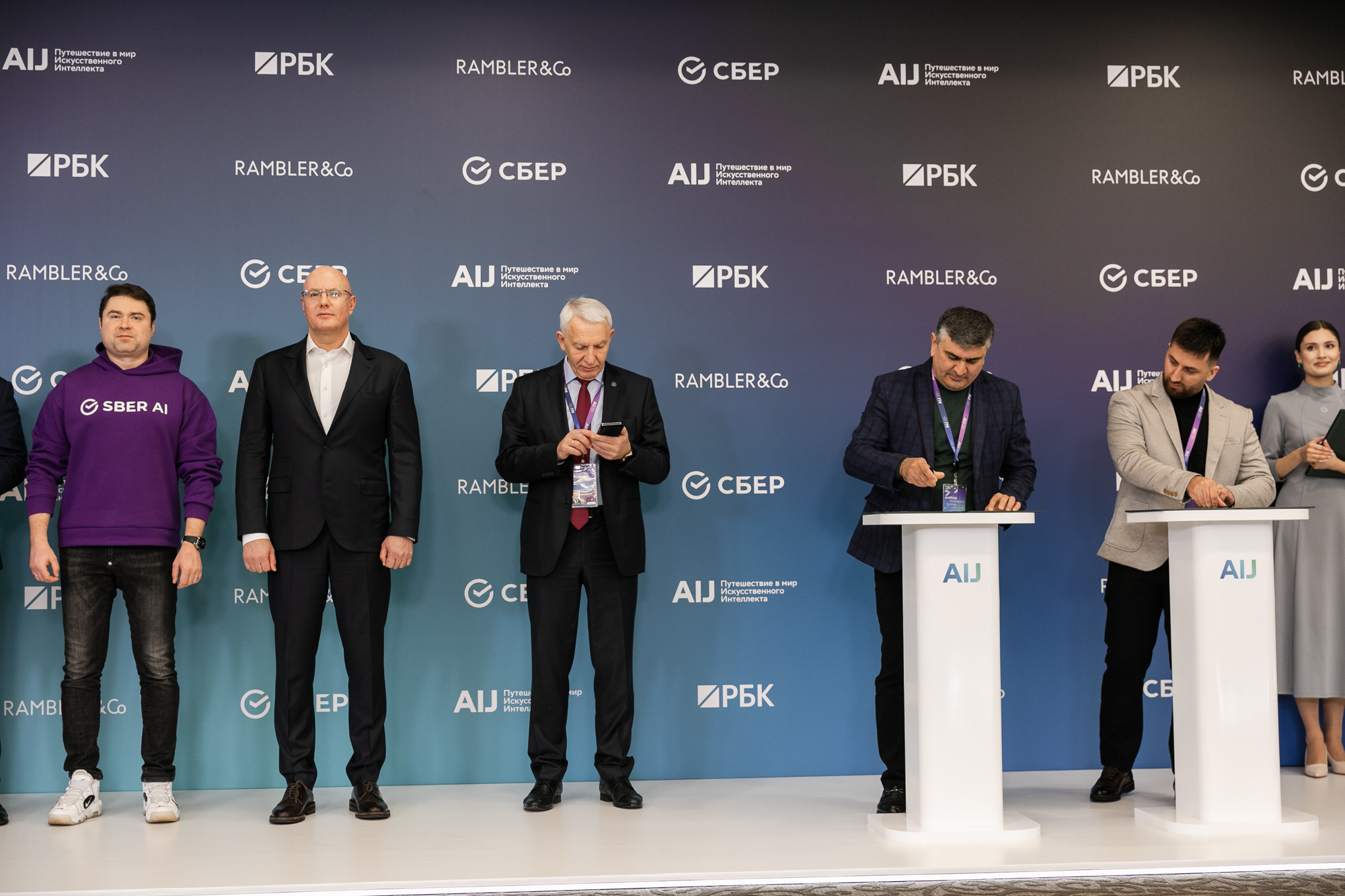
AI Journey: 11 новых участников, в том числе иностранные, присоединились к Кодексу этики ИИ
Торжественная церемония подписания состоялась во время восьмой международной конференции Al Journey
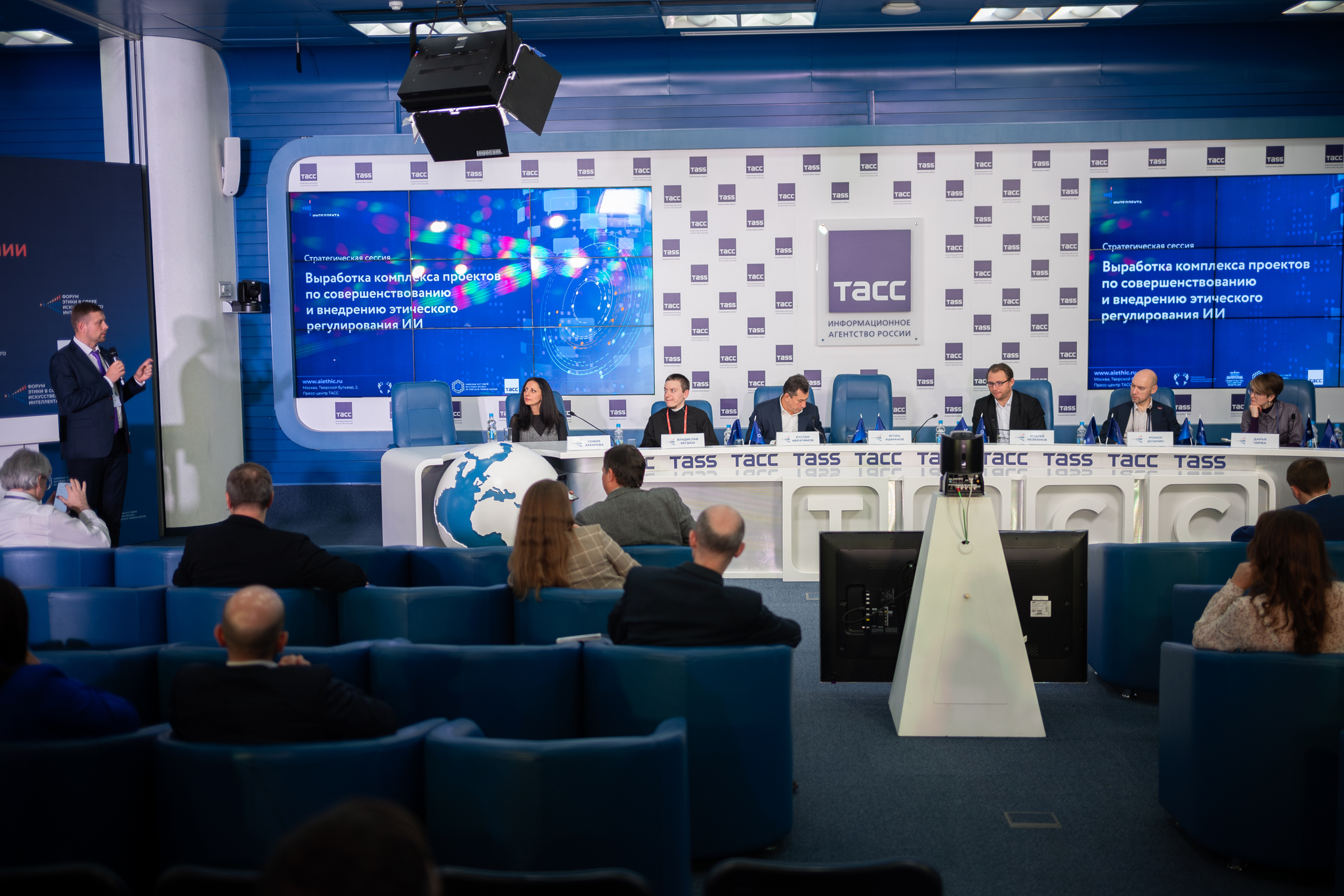
Форум этики в сфере искусственного интеллекта: Поколение GPT. Красные линИИ
В рамках данного мероприятия впервые прошла торжественная церемония награждения премиями в сфере эти

Рабочей группой по оценке эффективности реализации Кодекса были разработаны два документа
Данные документы являются рамочными и представляют собой рекомендуемые шаблоны
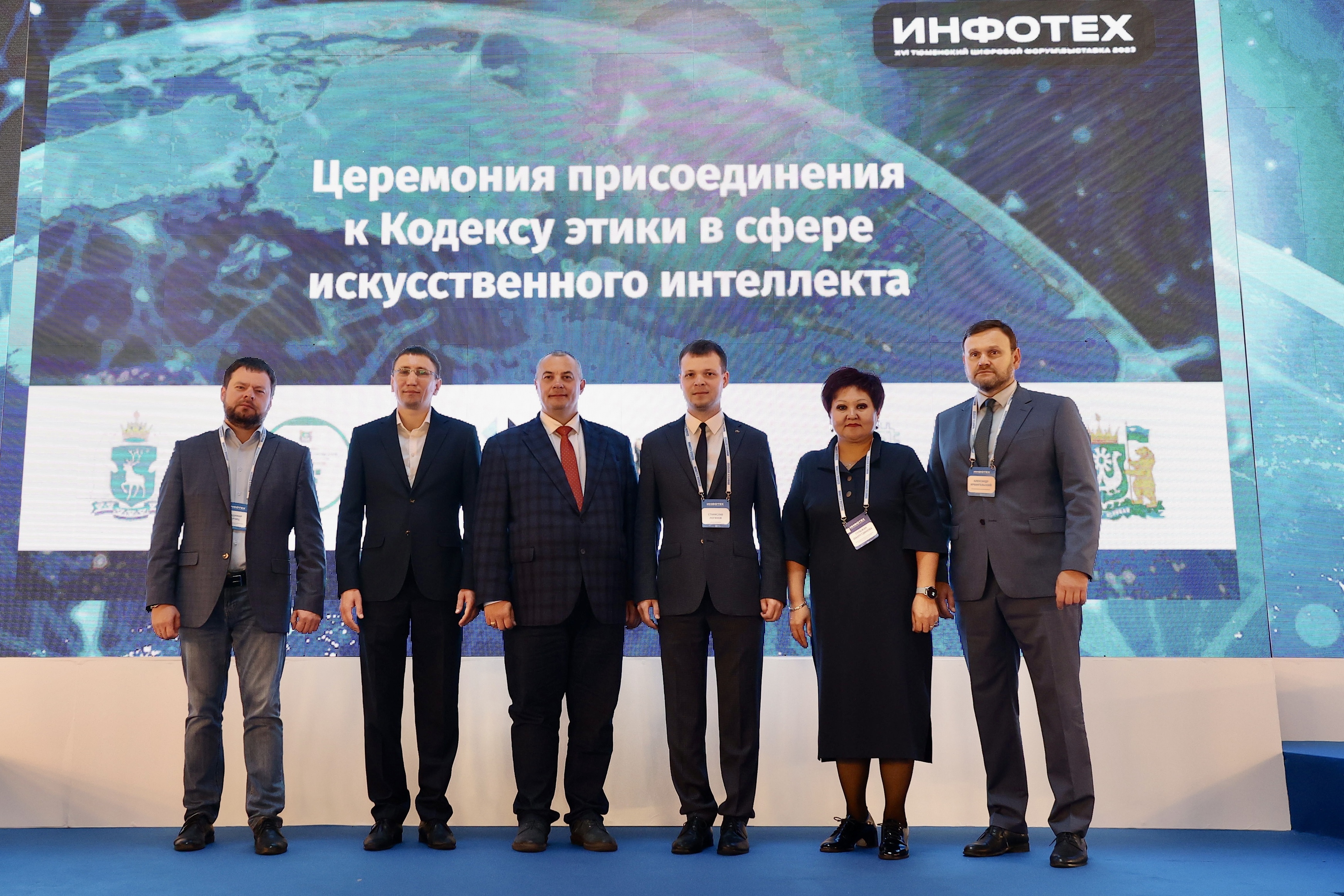
Церемония подписания Кодекса этики прошла на форуме «ИНФОТЕХ 2023» в Тюмени
19 октября на площадке Технопарка состоялась церемония подписания Кодекса
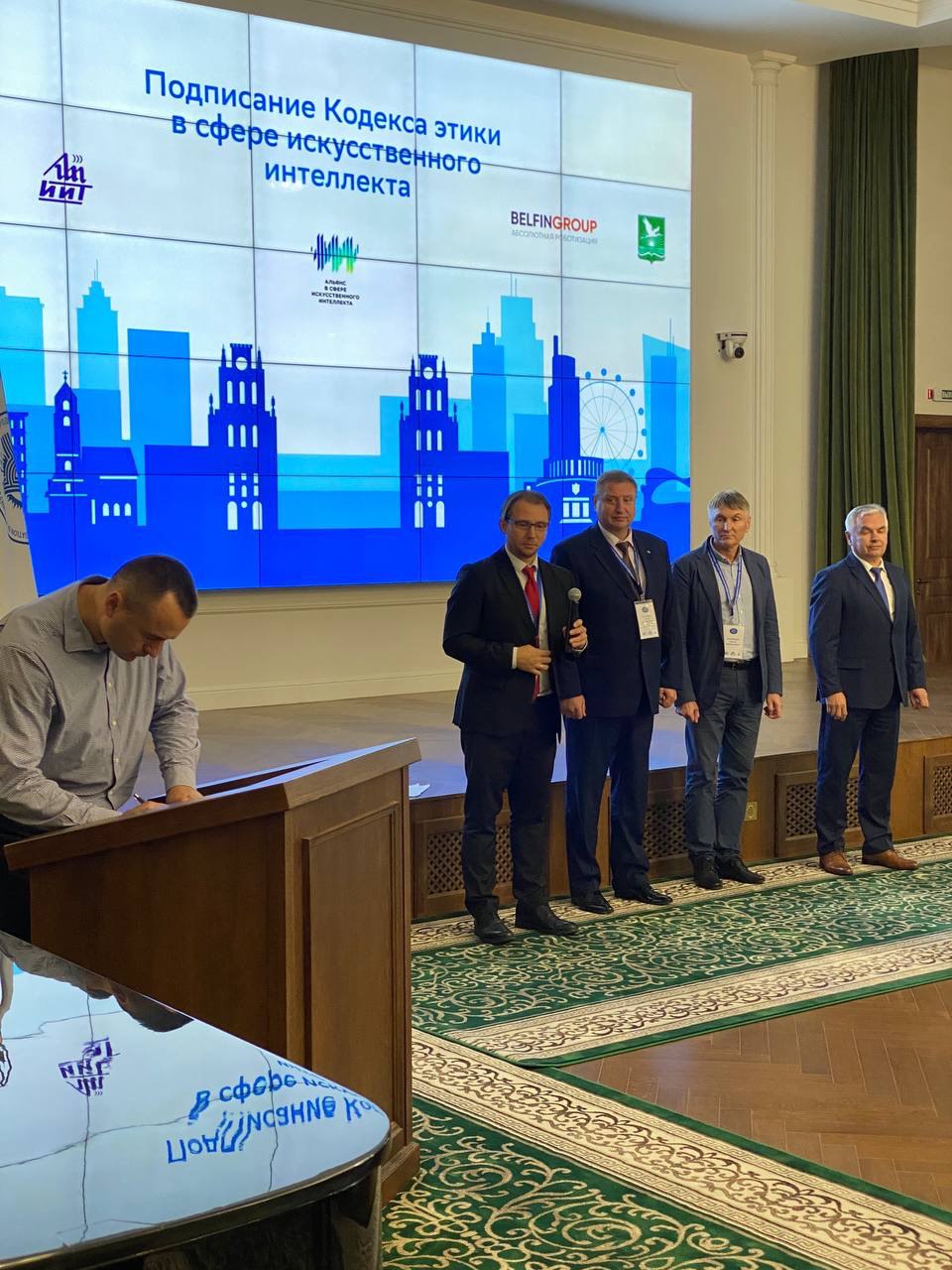
К Кодексу этики в сфере ИИ присоединились четыре белорусские организации
На II Форуме «ИИ в Беларуси» к Кодексу этики в сфере ИИ присоединились новые организации

Комиссия по реализации Кодекса этики выпустила Этические рекомендации
Они нужны для применения технологий и алгоритмов, основанных на ИИ, в цифровых сервисах.

Александр Ведяхин — на ВЭФ-2023: Более 200 организаций присоединились к Кодексу этики в сфере ИИ
Комиссия по реализации Кодекса этики в сфере ИИ одобрила заявки ещё 39 организаций на присоединение

Проблема вагонетки: беспилотные автомобили
Комиссия Кодекса этики в сфере ИИ выпустила первую версию рекомендации решения "проблемы вагонетки"

На форуме «Россия — Африка» к Кодексу этики искусственного интеллекта присоединились 15 компаний
Компании из Африки стали участниками масштабного сообщества экспертов в сфере ИИ

Альянс в сфере ИИ займется этическими вопросами применения искусственного интеллекта в медицине
Такое решение было принято на собрании уполномоченных по этике ИИ и подписантов Кодекса
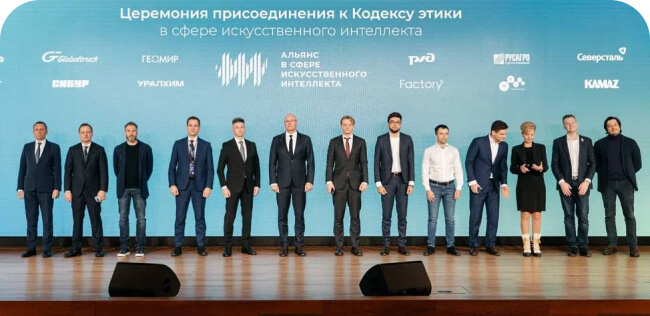
На AI Journey расширен круг подписантов Кодекса этики ИИ
В мероприятии приняли участие Дмитрий Чернышенко и Александр Ведяхин
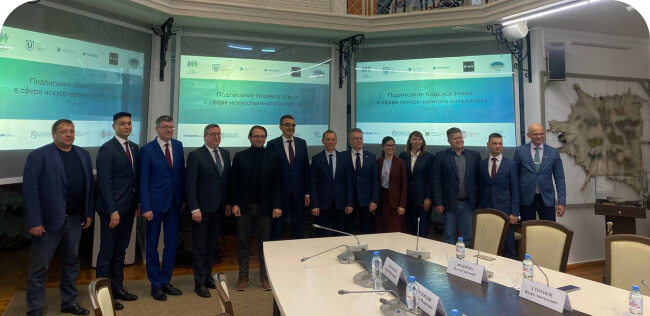
Новый раунд подписания Кодекса этики прошёл в Томске
10 сибирских организаций стали подписантами Кодекса
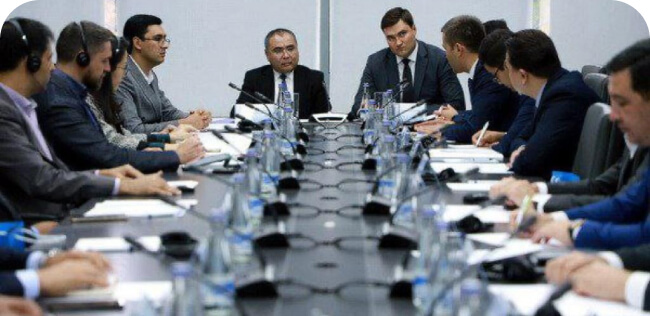
Кодекс этики обсудили в Узбекистане
Кодекс представлен Консультативному совету по искусственному интеллекту
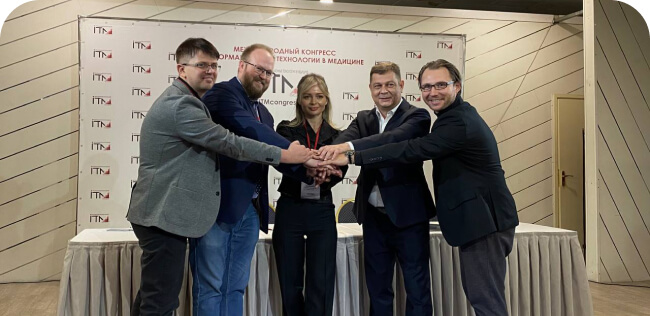
MedTech-компании присоединились к Кодексу этики
Лидеры рынка цифровой медицины – участники церемонии подписания на ИТМ 2022
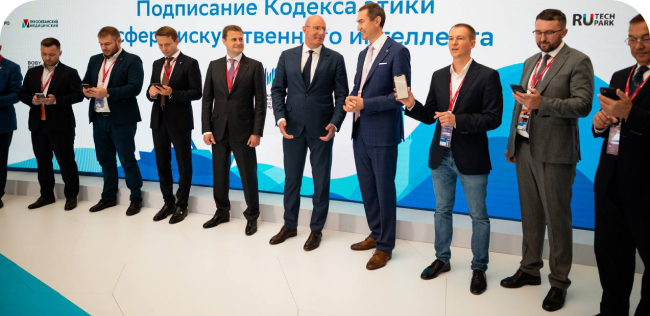
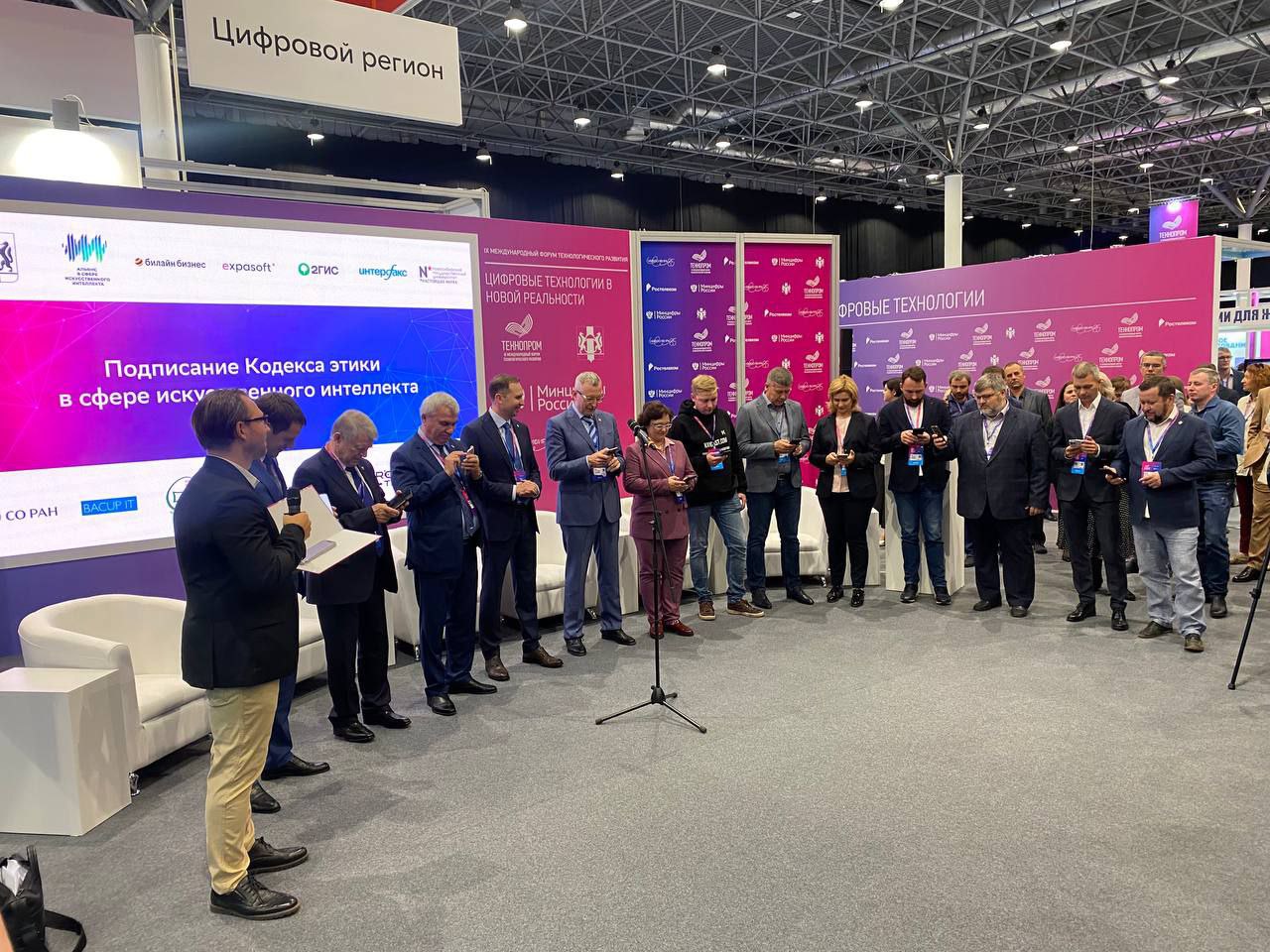
Новая волна подписания Кодекса на Технопром-2022
Еще 14 организаций присоединились к Кодексу этики искусственного интеллекта
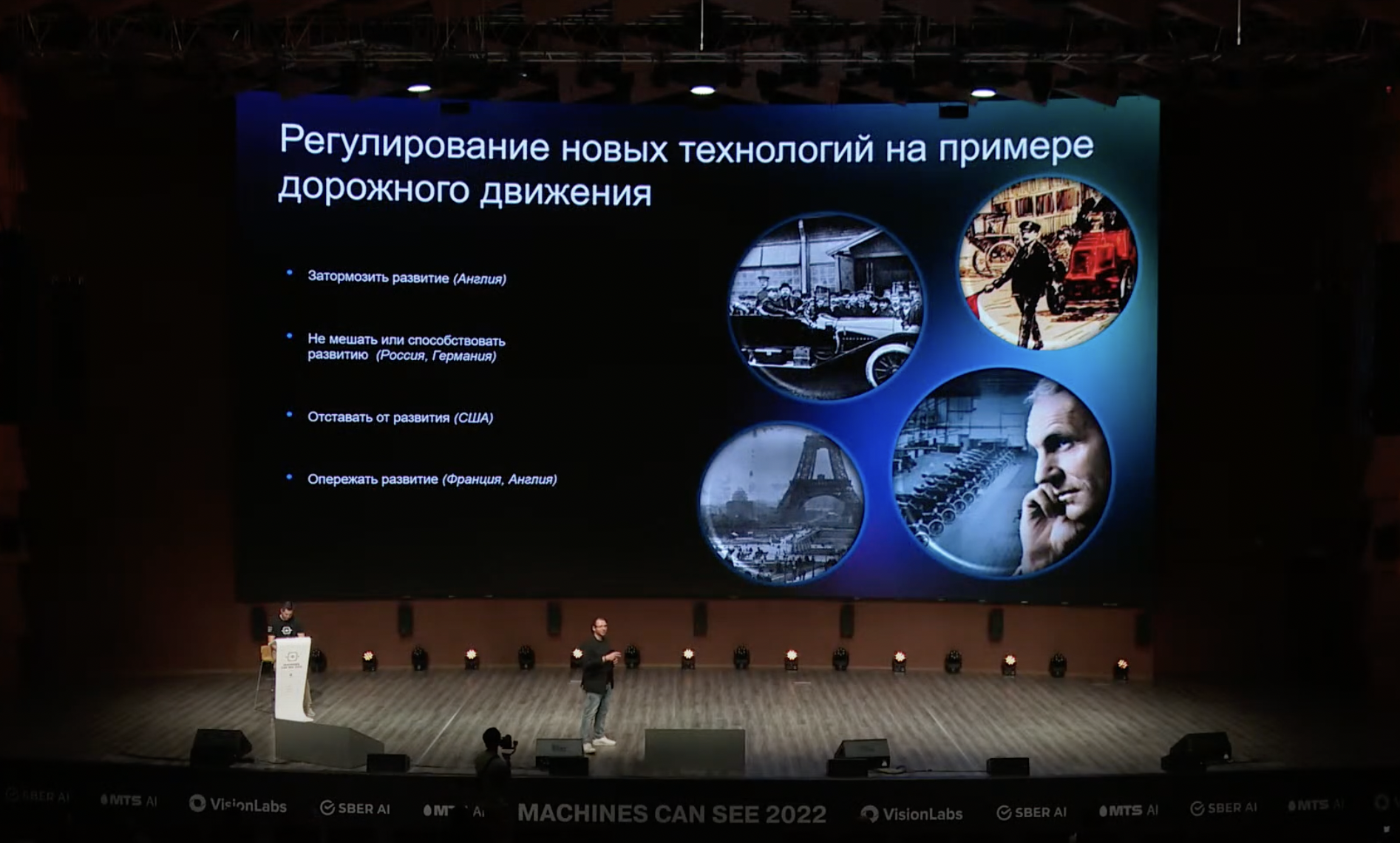
Кодекс этики ИИ представлен на Machines Can See
Участники саммита познакомились с основными положениями документа
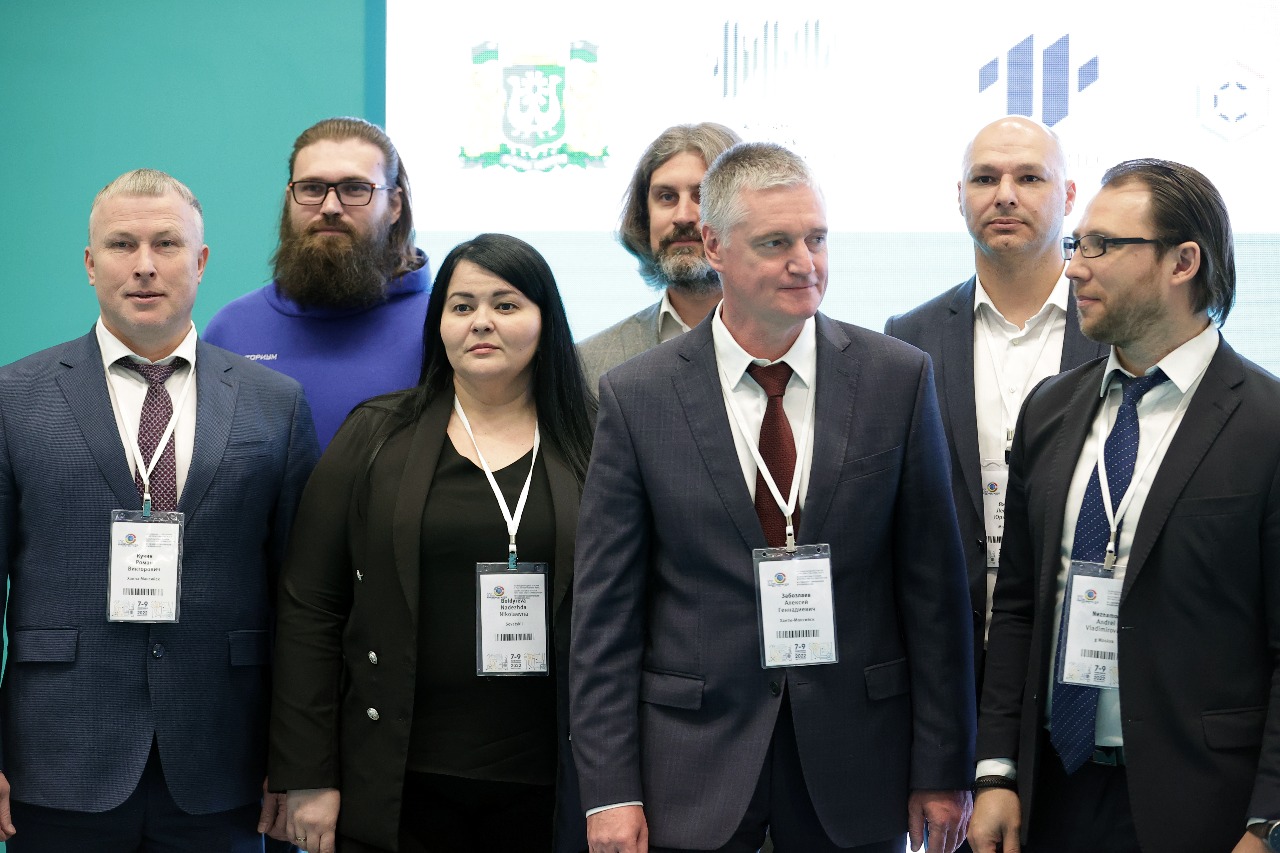
Новый раунд подписания Кодекса этики в сфере ИИ
Церемония прошла на XIII Международном IT-форуме с участием стран БРИКС и ШОС
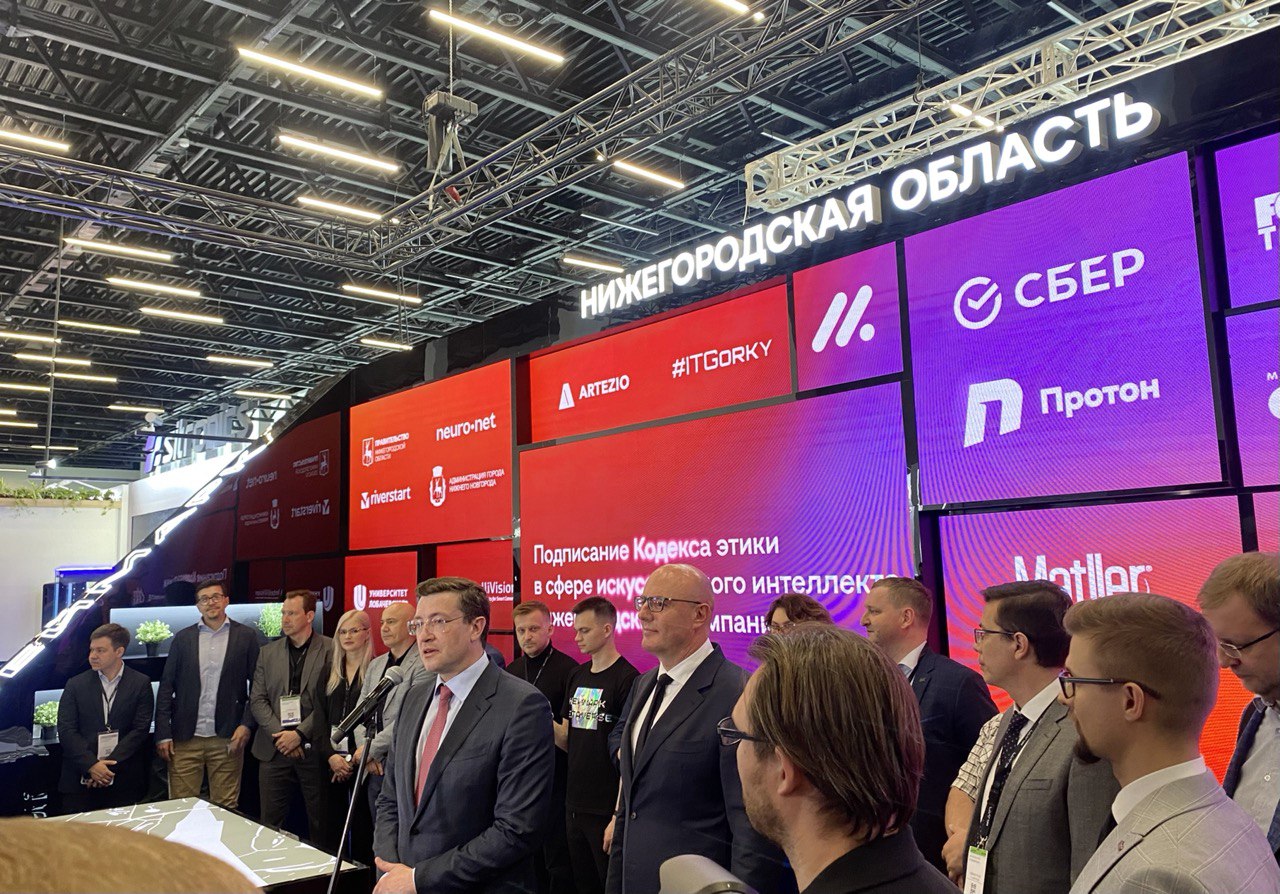
Кодекс этики подписали 20 новых организаций
Подписание состоялось на конференции «Цифровая индустрия промышленной России

Создана национальная Комиссия по этике в сфере ИИ
Орган обеспечит взаимодействие подписантов Кодекса в сфере ИИ для его реализации
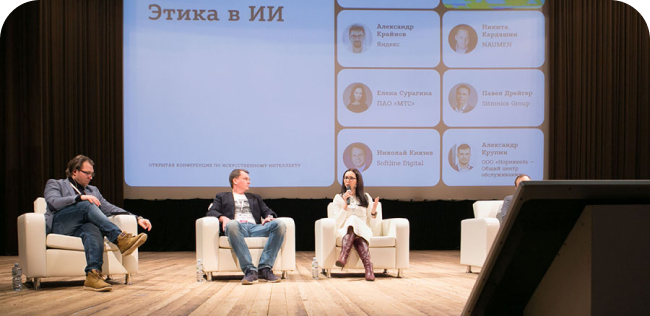
Этику ИИ обсудили на конференции Opentalks.ai
Эксперты Альянса в сфере ИИ провели сессию с подписантами Кодекса

Новые подписанты Кодекса на конференции AI Journey
На сегодняшний день Кодекс приняли порядка 30 компаний и организаций
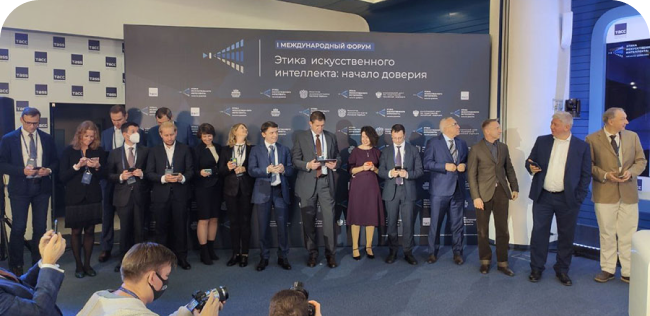
Ведущие IT-компании приняли Кодекс этики в сфере ИИ
Подписание прошло на форуме «Этика искусственного интеллекта: начало доверия»

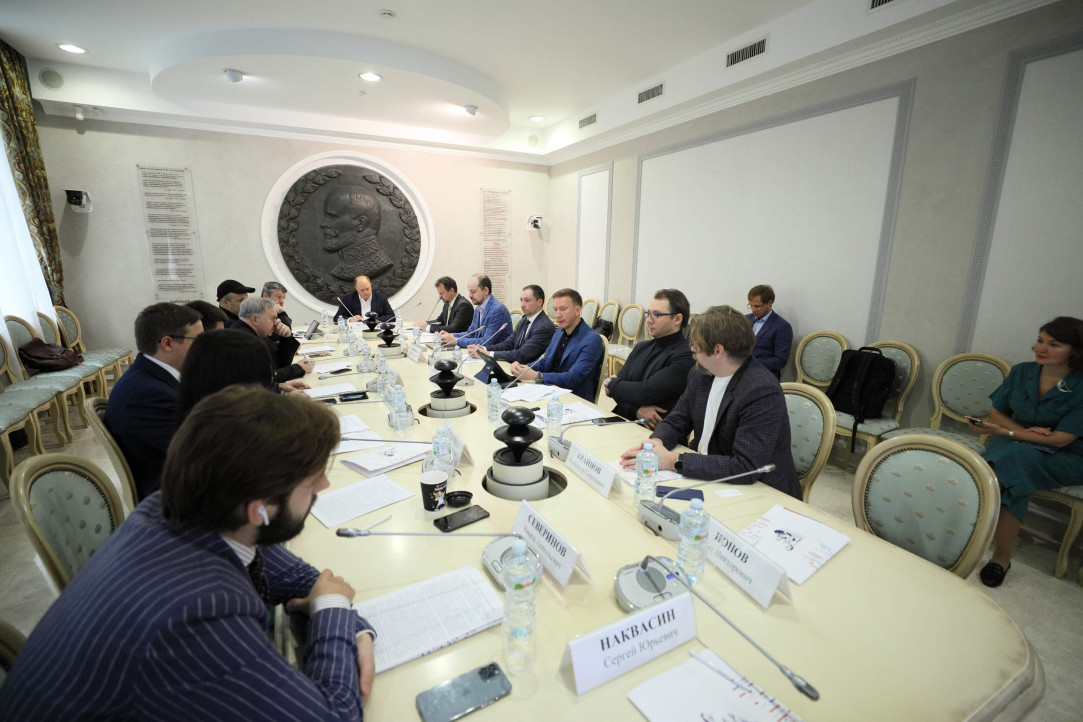
Подписанты Кодекса этики
Здесь вы можете найти список организаций, которые уже присоединились к Кодексу и выразили свою приверженность принципам этики ИИ


















Комиссия и наблюдатели
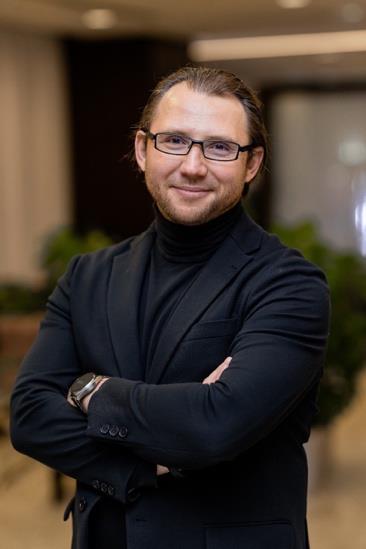
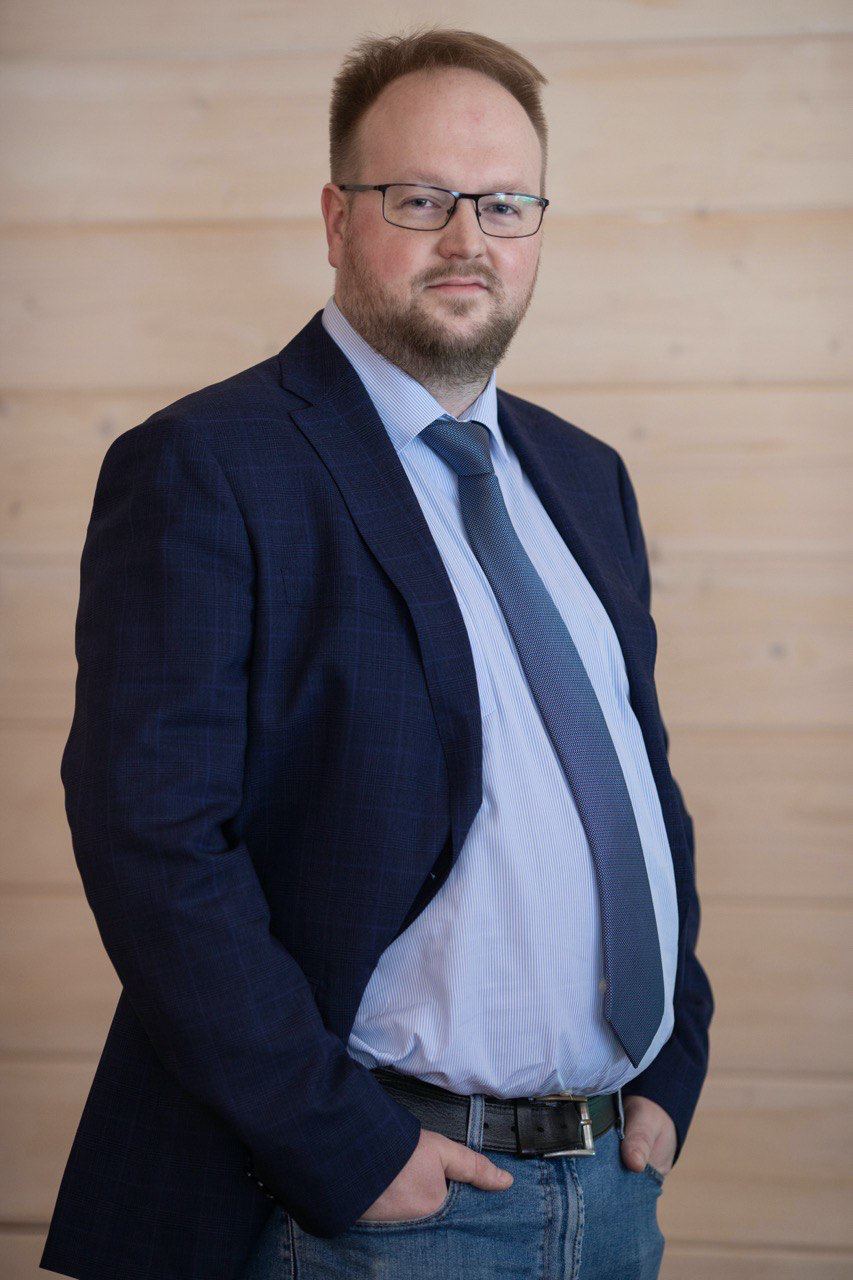
Незнамов Андрей
Председатель Комиссии по реализации Кодекса этики в сфере ИИ
Управляющий директор - начальник Центра человекоцентричного ИИ, Сбербанк
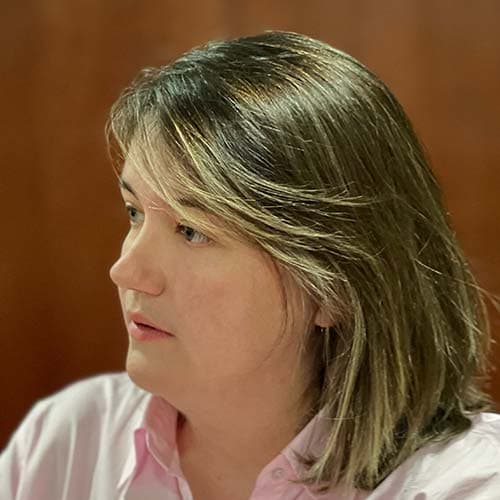
Абрамова Анна
Директор Центра искусственного интеллекта, МГИМО
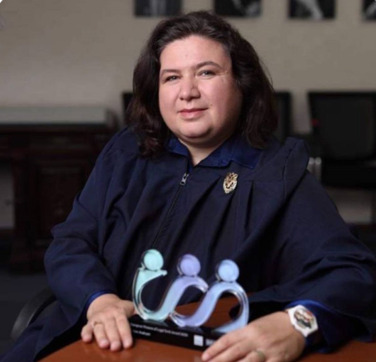
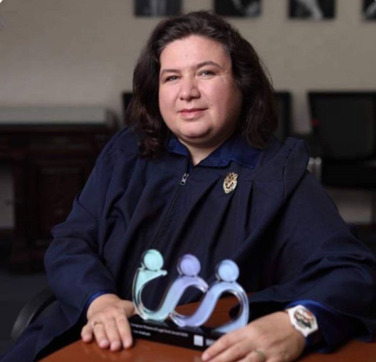
Авакян Елена
Вице-президент Гильдии Российских Адвокатов, Руководитель цифровой трансформации адвокатуры России, член Комиссии по реализации Кодекса этики в сфере ИИ
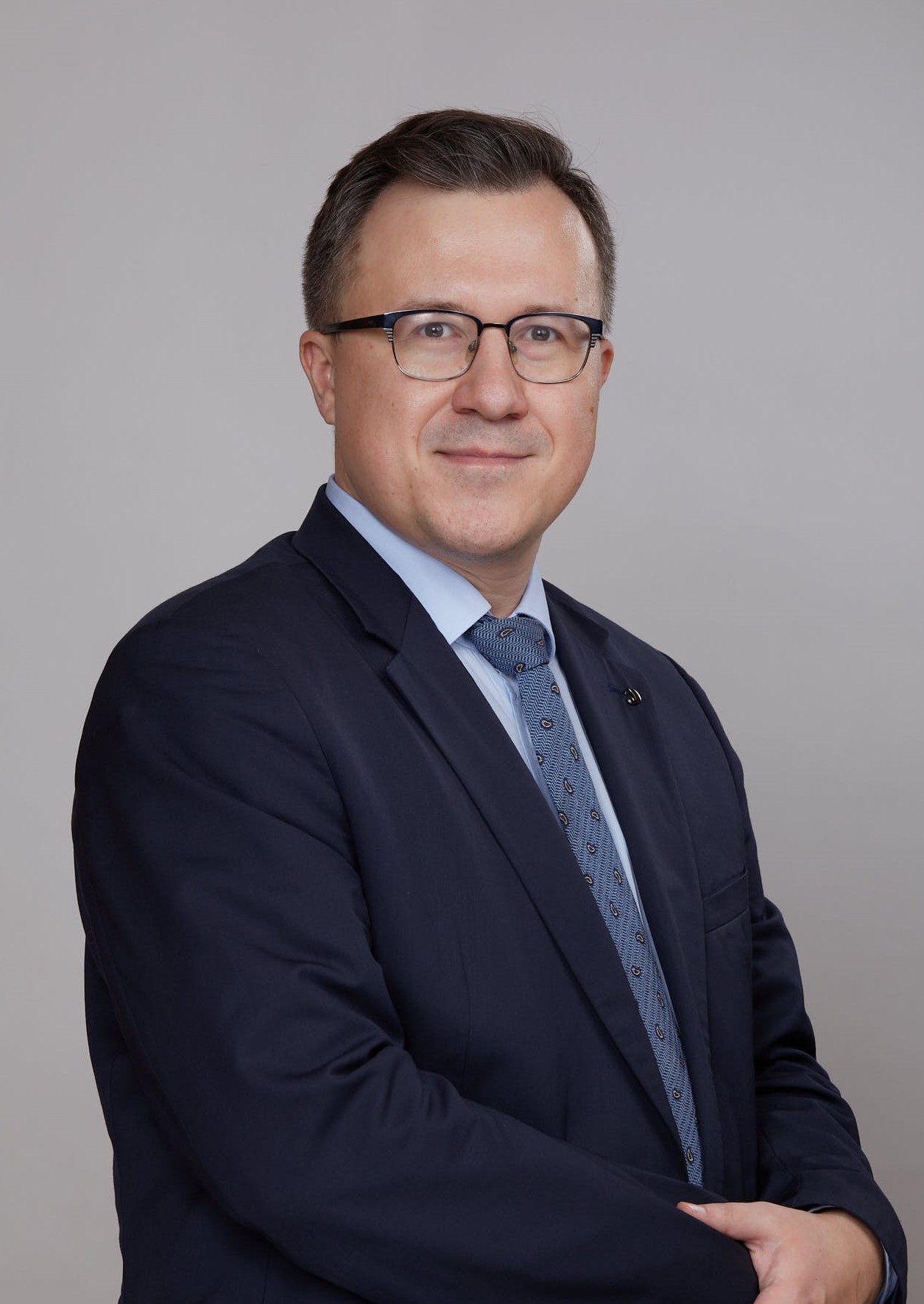
Архипов Владислав
Доктор юридических наук, профессор, заведующий кафедрой теории и истории государства и права СПбГУ, руководитель юридической группы Центра искусственного интеллекта и науки о данных СПбГУ, директор Центра исследования проблем информационной безопасности и цифровой трансформации СПбГУ
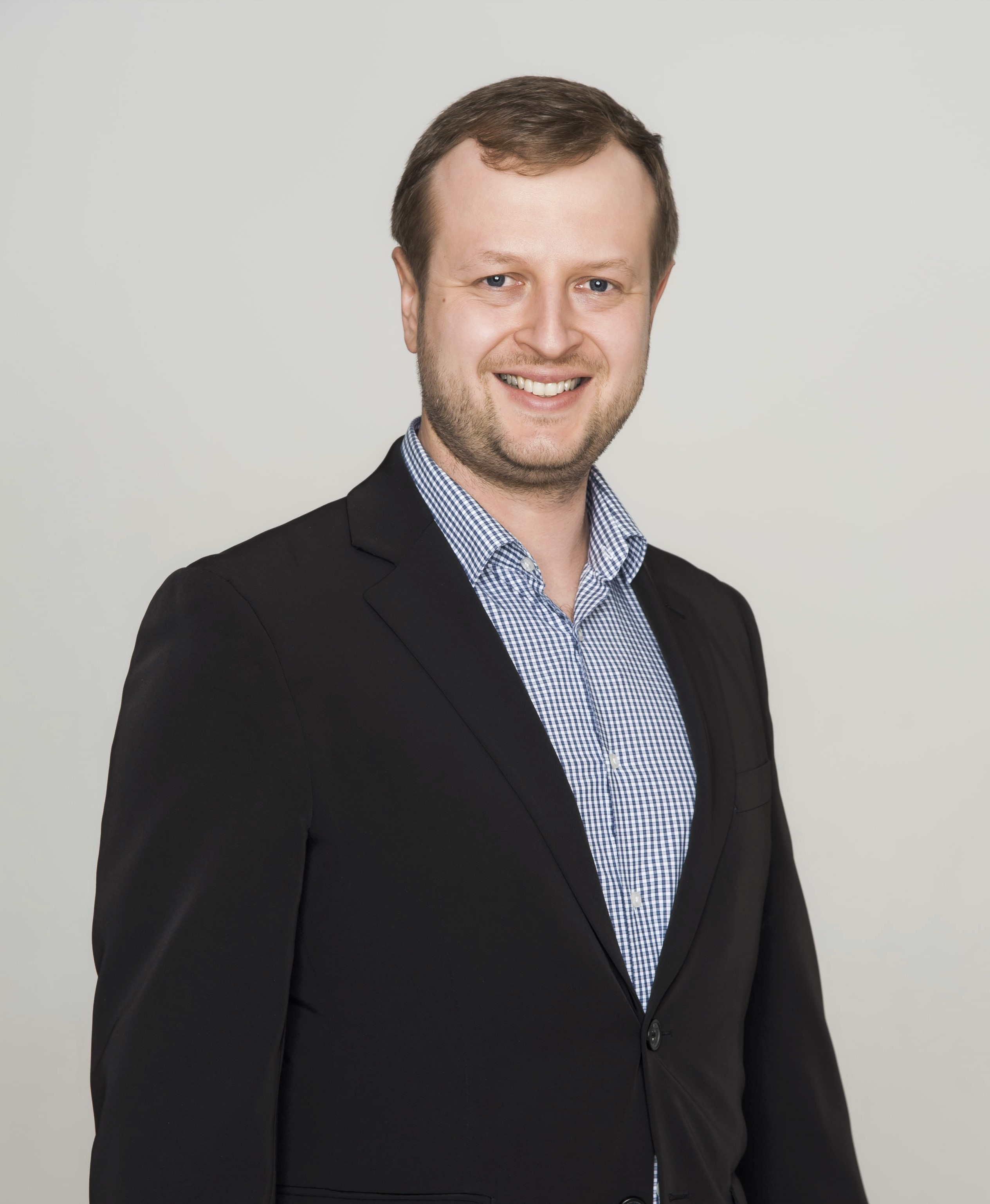
Астахов Сергей
Заместитель руководителя Департамента по исследовательским центрам в сфере искусственного интеллекта Аналитического центра при Правительстве Российской Федерации
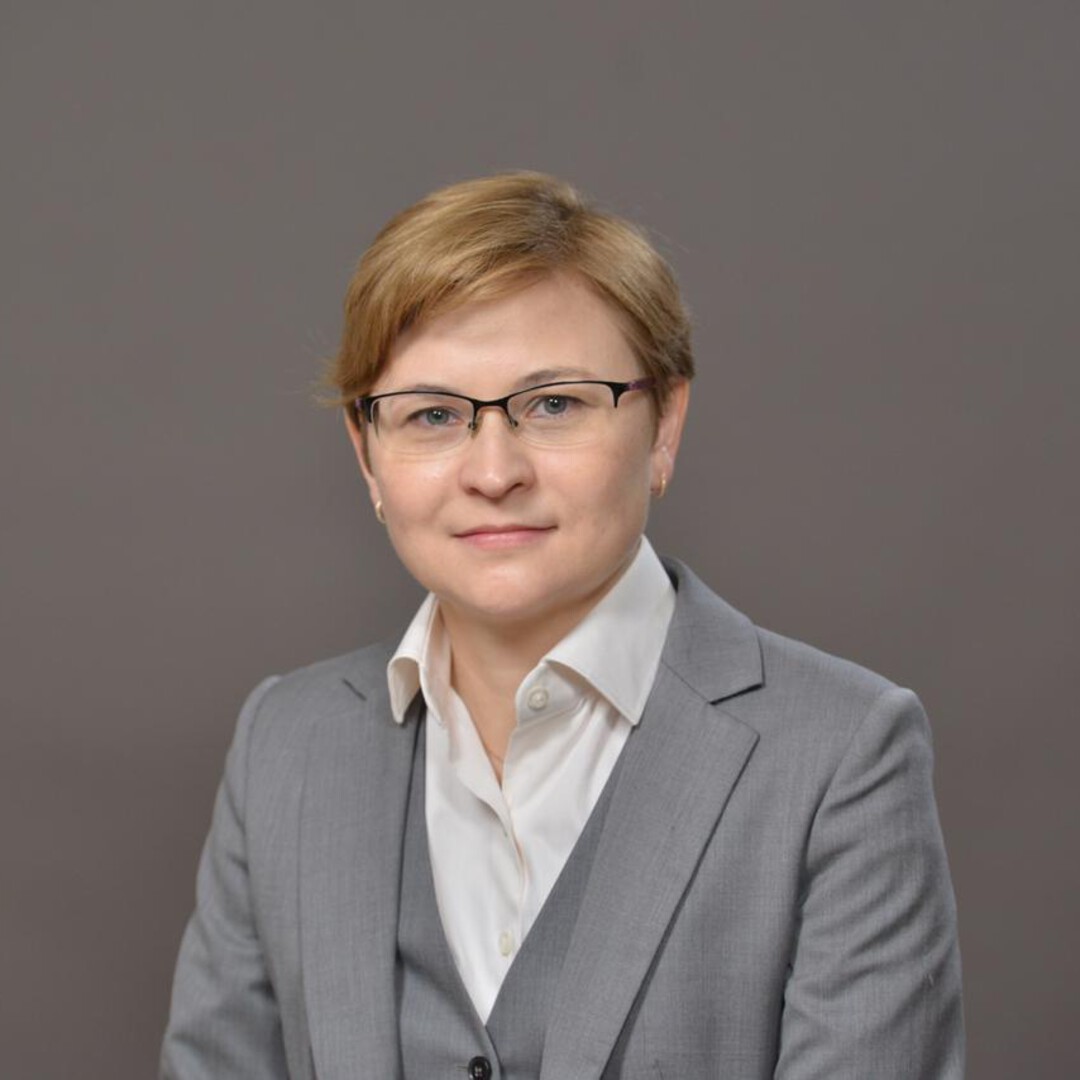
Бокова Людмила
Руководитель проекта ПАО МТС, Президент АНО «Агентство поддержки государственных инициатив»
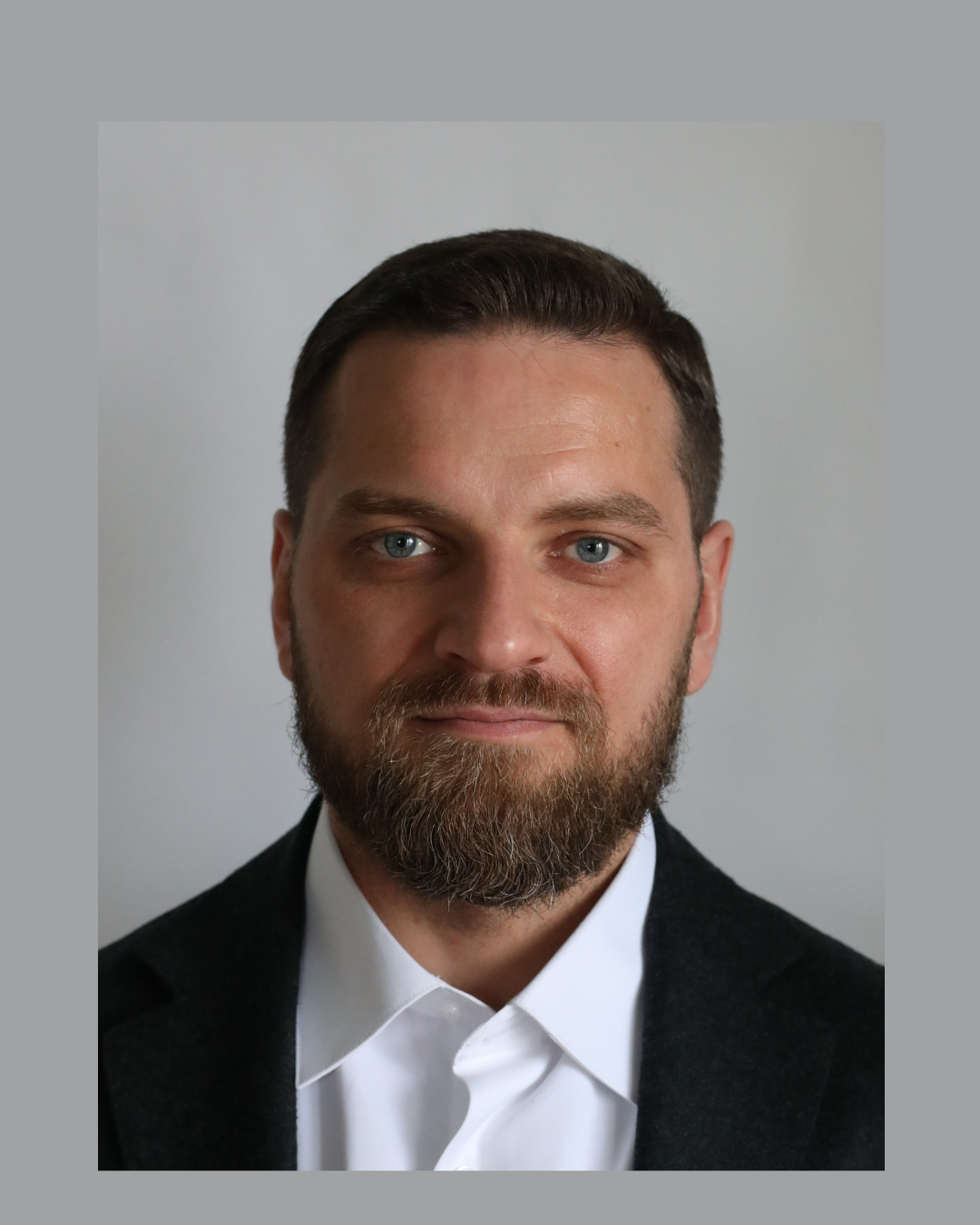
Бегаев Алексей
Основатель группы компаний ИНСЕК, кандидат технических наук, руководитель Комитета по технологической независимости, безопасности инфраструктуры и защите информации МРО «Деловая Россия», профессор практики Университета ИТМО
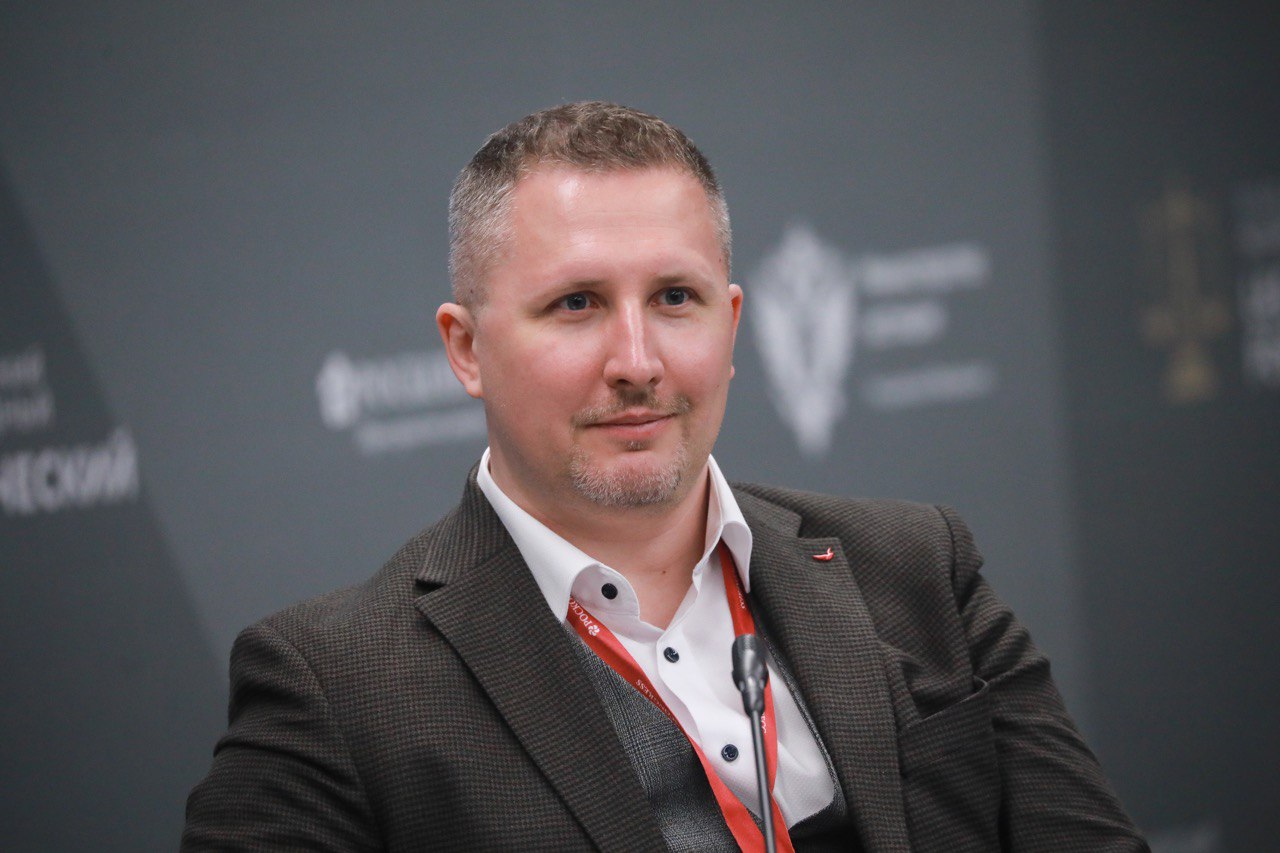
Бырдин Алексей
Генеральный директор, Ассоциация «Интернет-видео»
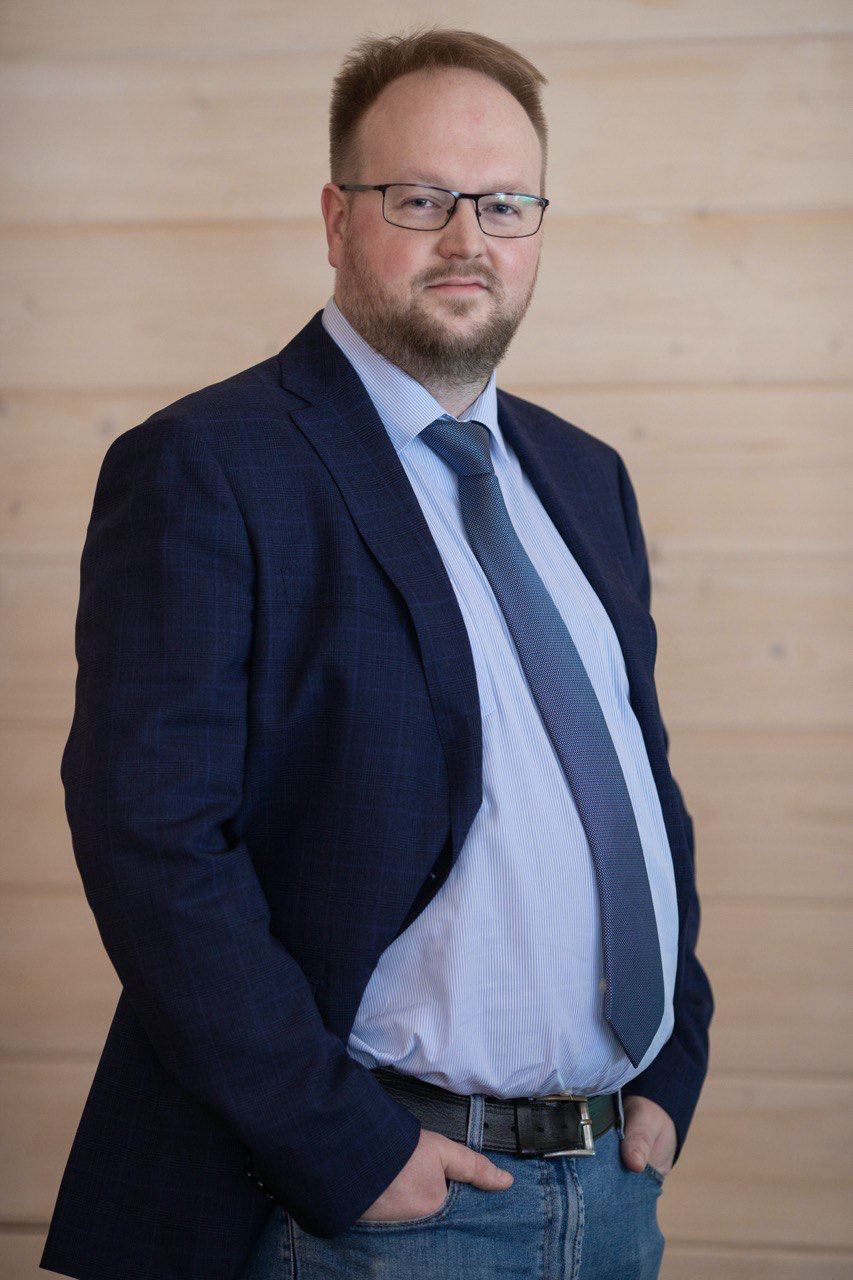
Воробьев Андрей
Президент МТП «Ньюдиамед» (MeDiCase)

Вотяков Сергей
Председатель Правления РУССОФТ; Председатель Координационного Совета ассоциаций МСП в сфере ИИ
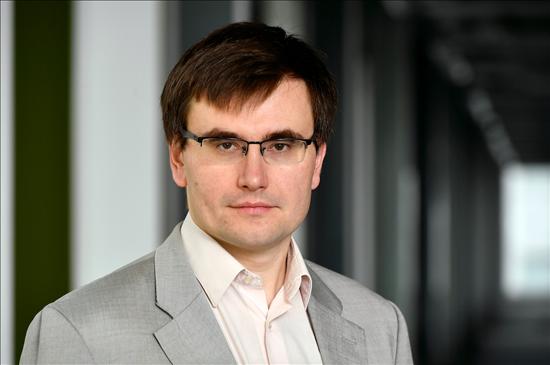
Израйлит Сергей
Заместитель Председателя Правления, управляющий директор Фонда Сколково
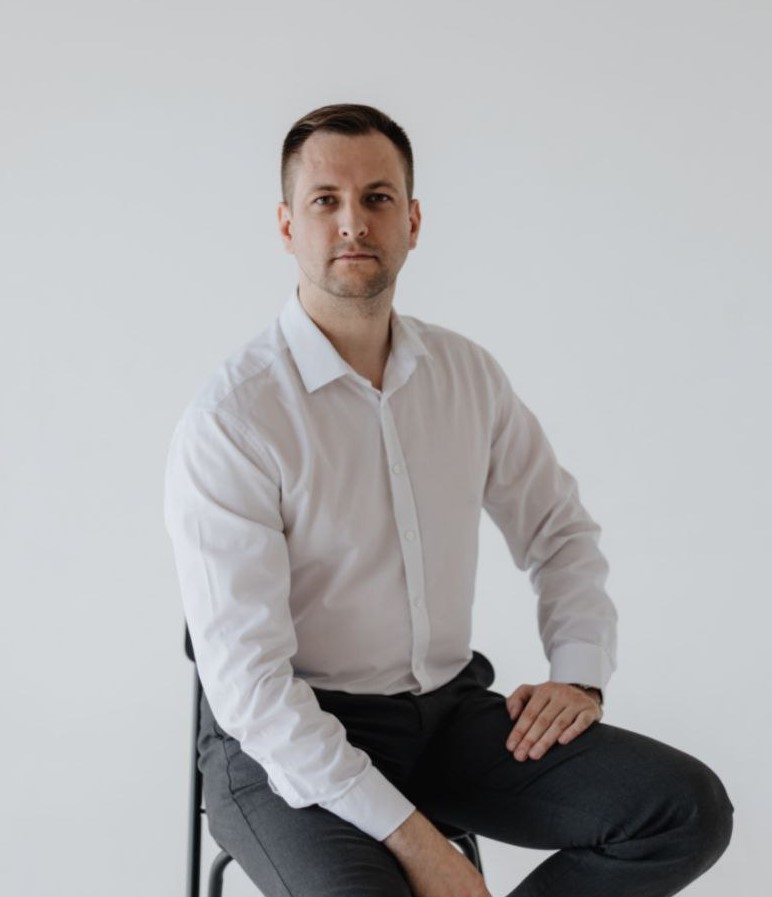
Коротеев Михаил
Заведующий кафедрой искусственного интеллекта Факультета информационных технологий анализа больших данных Финансового университета при Правительстве Российской Федерации
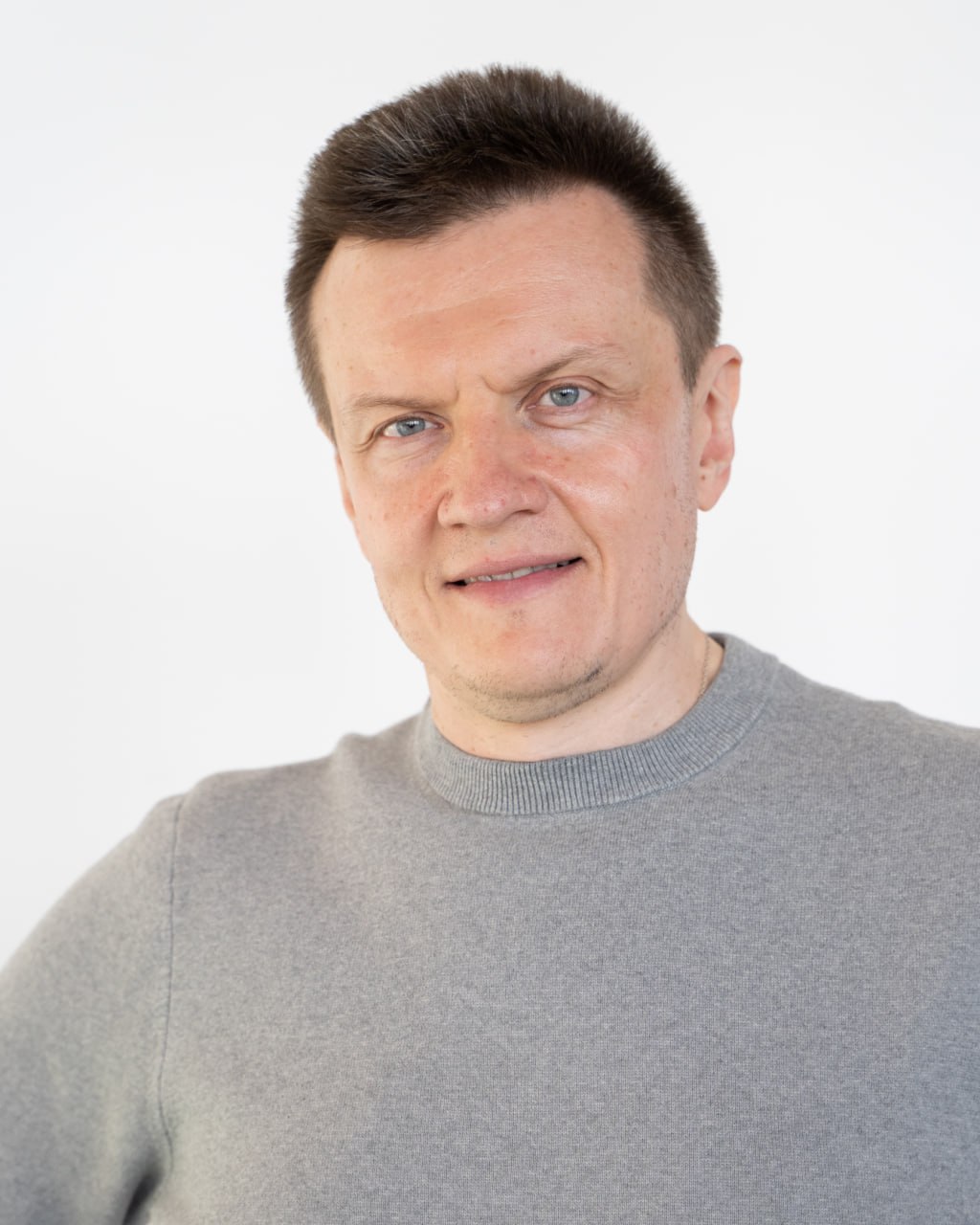
Кладько Сергей
Руководитель Лаборатории практической цифровой этики АНО ВО Университет Неймарк
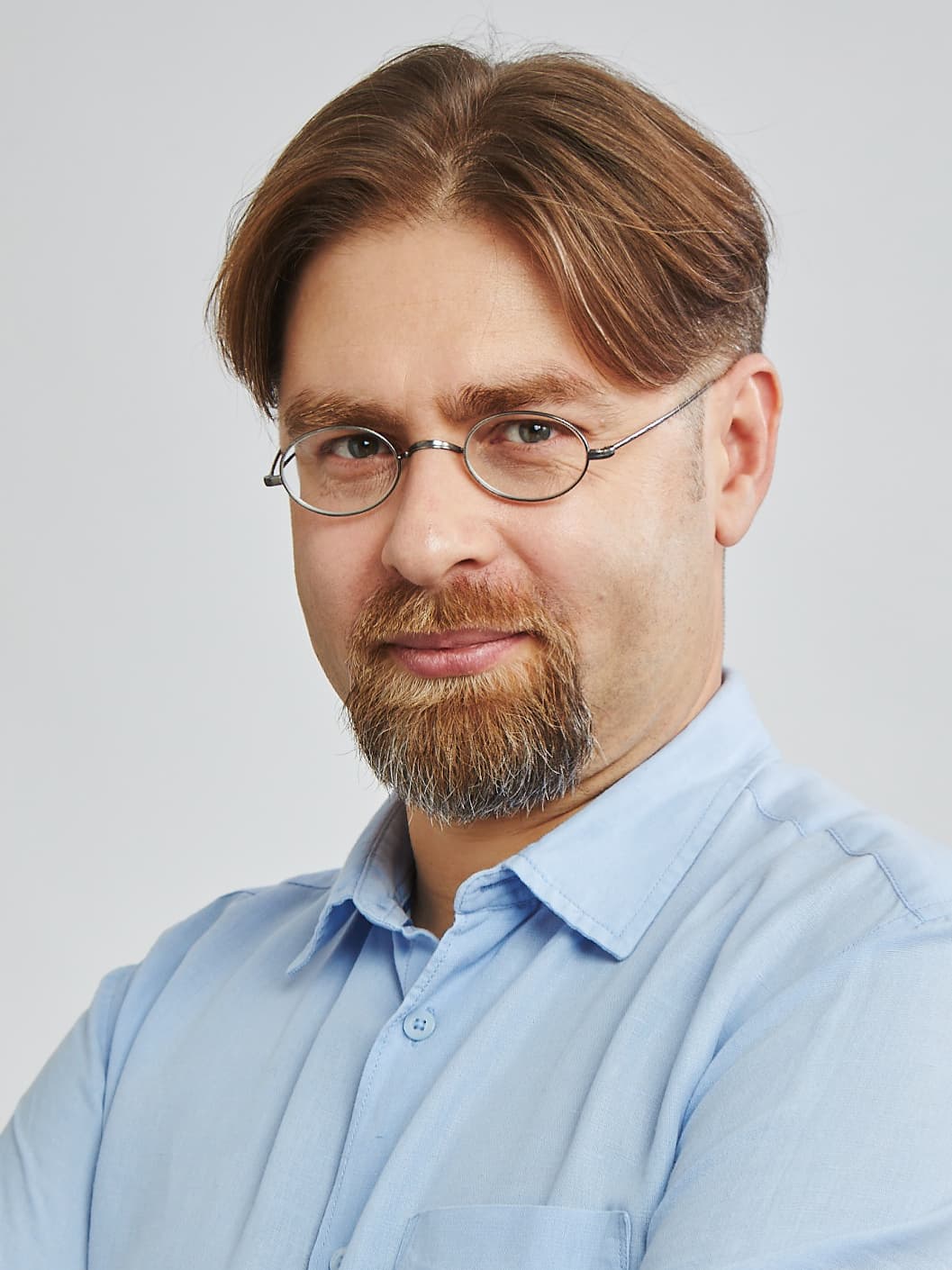
Крайнов Александр
Директор по развитию технологий искусственного интеллекта, Яндекс
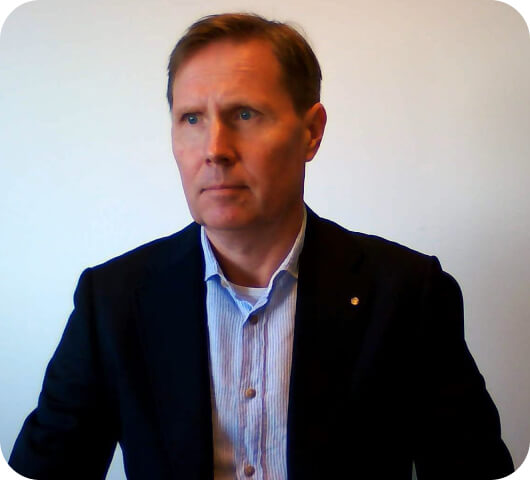
Кулешов Андрей
Аналитик, АНО “Центр Глобальной ИТ-Кооперации”
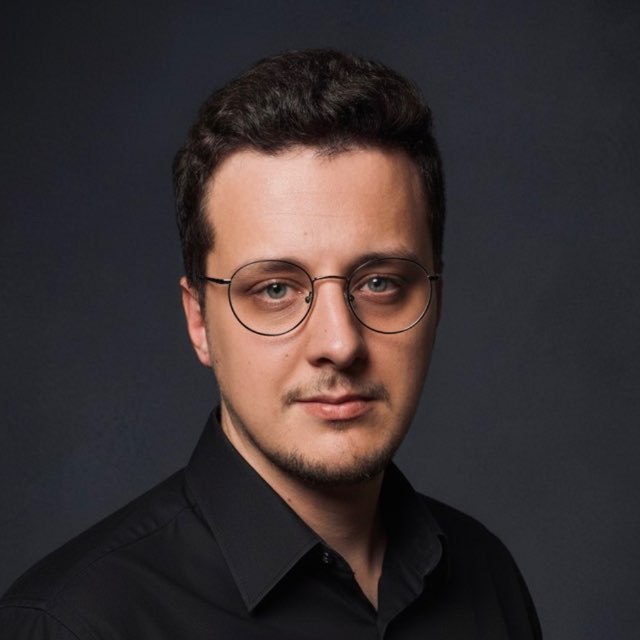
Кульбятский Станислав
Первый заместитель генерального директора Ассоциации "Альянс в сфере искусственного интеллекта"
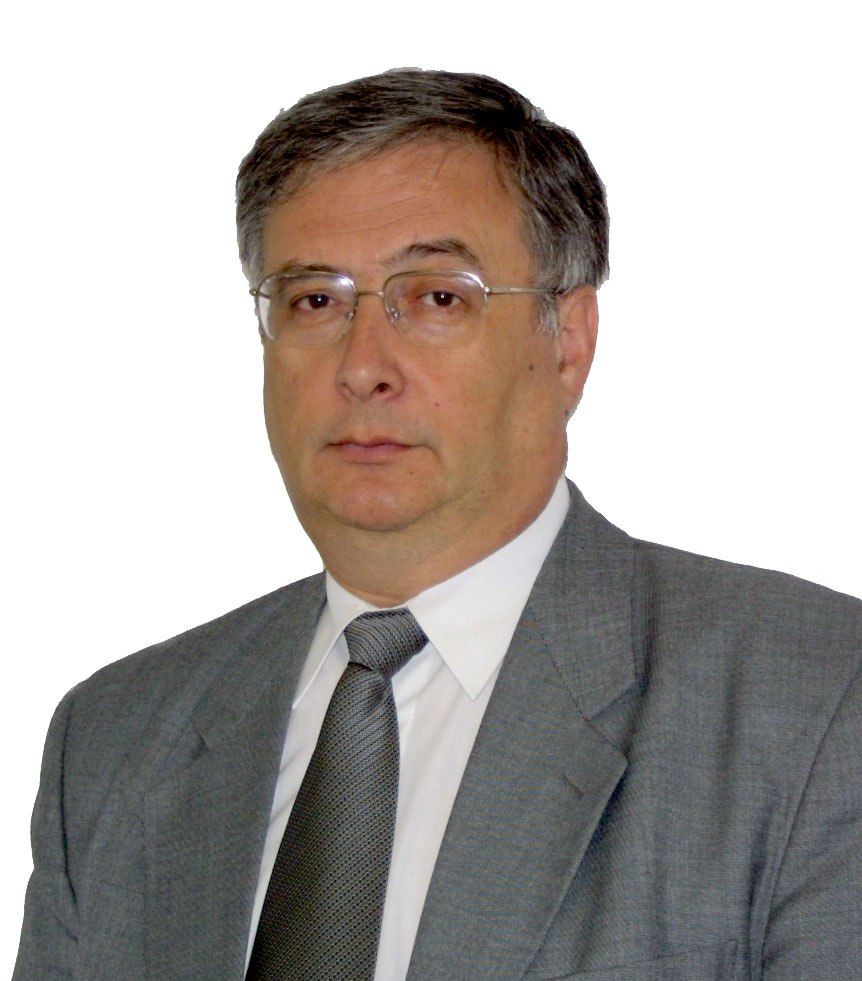
Натензон Михаил
Главный советник Председателя Правления ООО «ФтизисБиоМед» В.И. Классена. Член Совета Российского Телемедицинского Консорциума. Член Общественно-делового совета при Правительстве Российской Федерации по подготовке и реализации нацпроекта «Здравоохранение». Вице-президент Некоммерческого партнерства «Международная ассоциация разработчиков, производителей и пользователей медицинской техники». Заместитель руководителя Региональной рабочей группы по телемедицине Регионального содружества по коммуникациям стран СНГ.
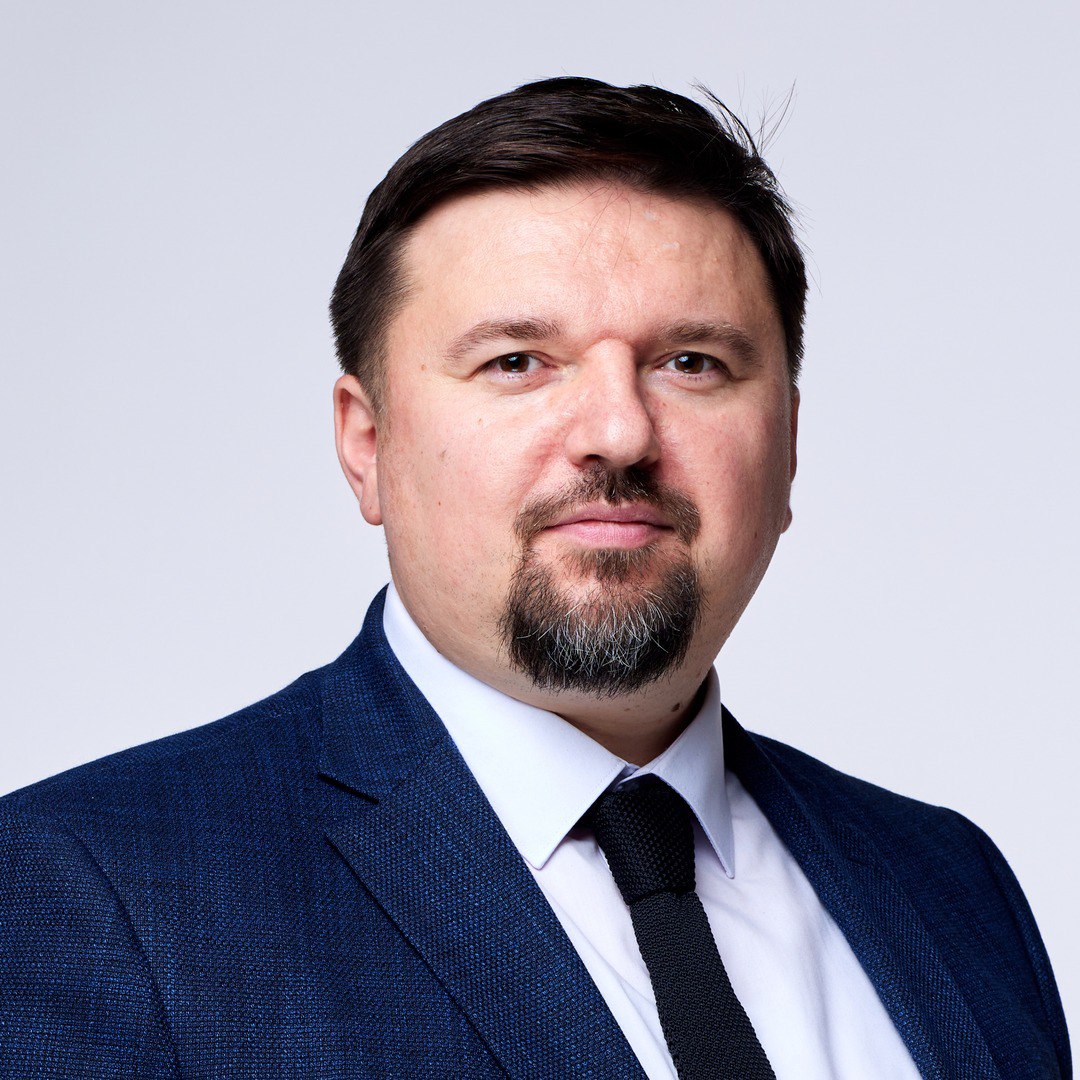
Немешев Марат
Директор департамента цифровых решений ООО «ЛАНИТ-ТЕРКОМ», секретарь Учёного совета Математико-механического факультета СПбГУ, старший преподаватель кафедры системного программирования
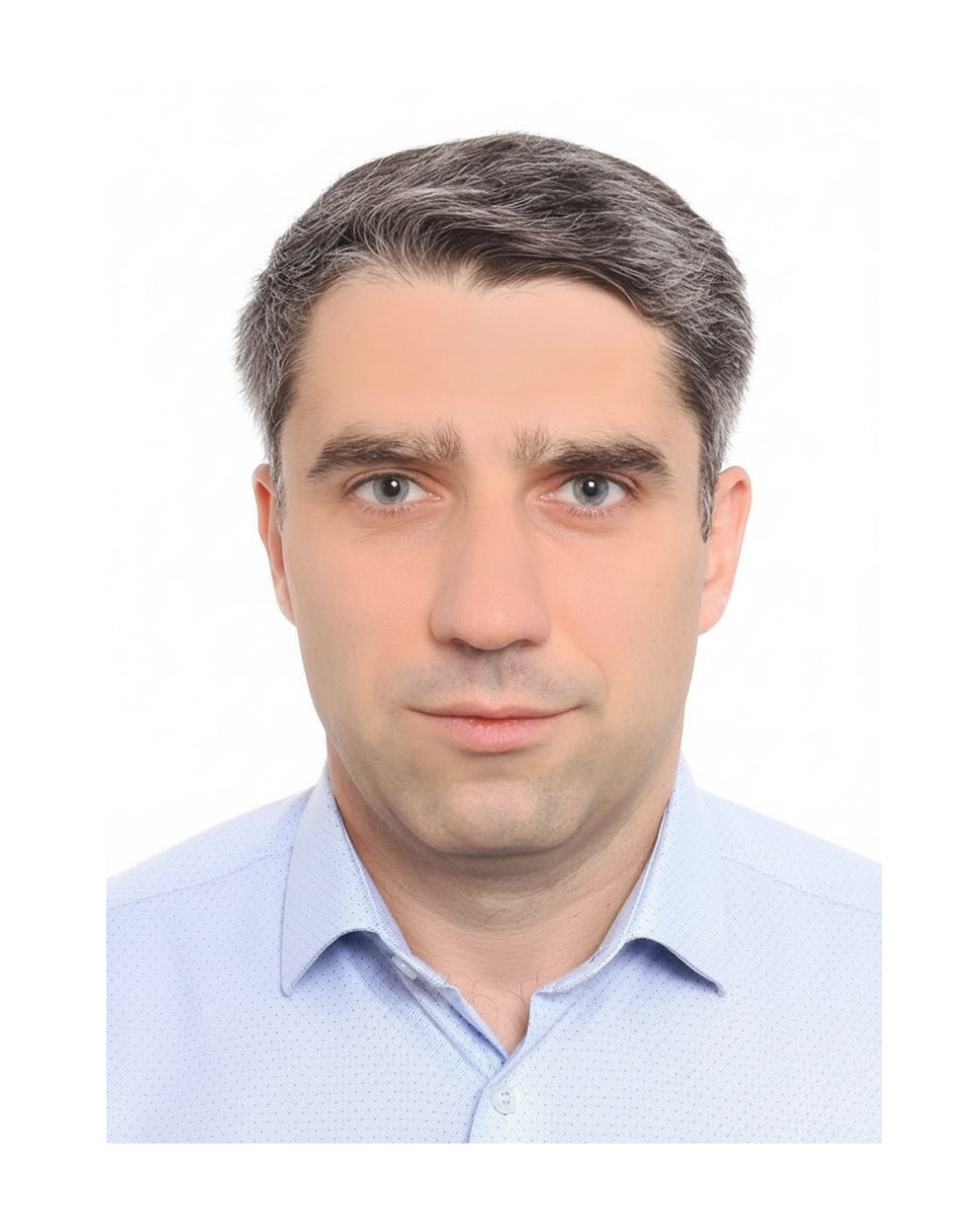
Оганесян Ашот
Директор Блока партнерств и инноваций ПАО «Вымпелком» (Билайн)

Померанцев Илья
Руководитель направления ML, Globus IT

Решетников Роман
Руководитель отдела научных медицинских исследований Центра Диагностики и Телемедицинских Технологий Департамента здравоохранения Москвы
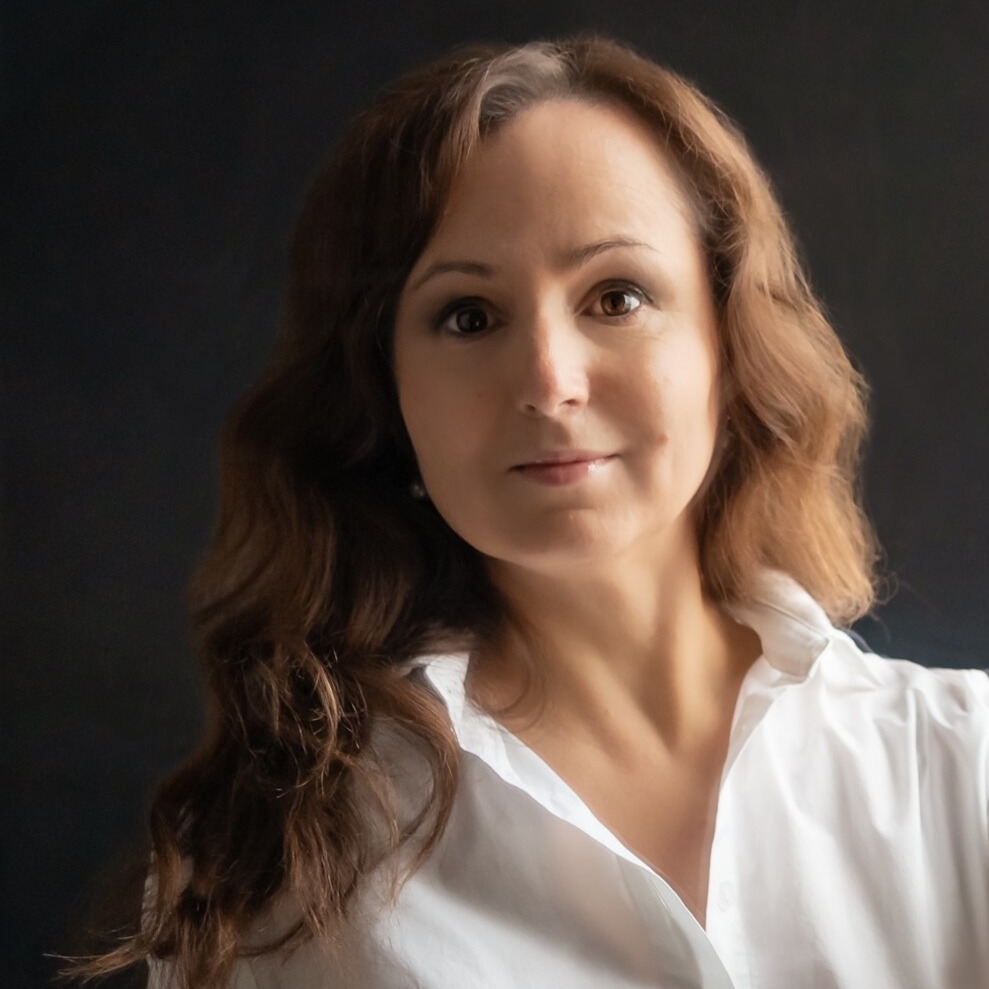
Углева Анастасия
К.ф.н., PhD, профессор Школы философии и культурологии факультета гуманитарных наук, Директор Центра этики и онтологии роботов Института робототехнических систем НИУ ВШЭ

Чирва Дарья
Руководитель общеуниверситетского модуля «Мышление», Университет ИТМО

Оставить обращение
Ответы Комиссии на наиболее значимые и часто задаваемые вопросы
⠀
Международный экспертный совет 🌐
⠀

- Усман Абубакар Алию (Генеральный директор, Soft Azure Ltd);
- Насирудин Якубу (Управляющий партнёр, 3logy Limited; технический советник Комитета по коммуникациям Сената 10-го созыва; член Национального совета по навыкам Нигерии);

- Сергей Кладько (Руководитель Лаборатории практической цифровой этики АНО ВО Университет Неймарк);
- Андрей Незнамов (Управляющий директор, Сбербанк);
- Софья Фокина (Руководитель направления, Сбербанк);

- Калонде Ласфорд (Генеральный директор, Laska Technologies Limited);

- Александр Геррейру (Доктор международных и европейских правовых наук, ассоциированный член ICJP — University of Lisbon School of Law);

- Ндур Ассан (Генеральный директор, Agence de Solution Informatique (ASI Technologies);

- Мбони Абель Лубега (Генеральный директор, Stack Online Trade Show Ltd);
- Эдисон Кагона (Руководитель по партнёрствам, Cavendish University Uganda (CUU));
- Асиимве Аллан (Kampala International University);
- Артур Латим (Генеральный директор, Kawil Group Holding Limited);

- Джон Аггрей (Генеральный директор, Ghana-Russia Center for Commerce and Relations);

- Берт Оусман (Генеральный директор, Datatech SARL);

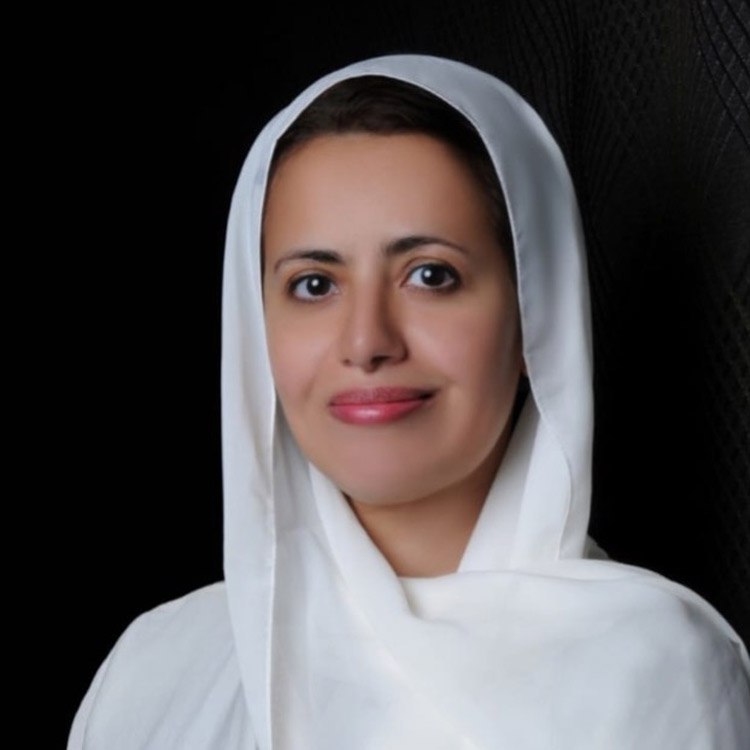
- д-р Салим Аль-Шуалили (Директор подразделения проектов в области ИИ и передовых технологий, глобальный посол — Global Council for Responsible AI (GCRAI), профессиональный член — International Federation of Global & Green ICT (IFGICT), доктор наук);
- д-р Суреш Маник КЕСАВАН (Доцент и руководитель Исследовательского центра ИИ, Национальный университет Омана);

- Мэри Ивонн Одода (Генеральный директор, Nuru Trust Network);
- Кевин Вайгва (Технологический директор, Nuru Trust Network);

- Джейсон Тан (Генеральный директор, Engage AI);

- Вивиана Полисена (Член совета, профессор-исследователь, Catholic University of Argentina / GAIEC / IAEAI / CAIDP / IGOAI);

- Руслан Сафин (Генеральный директор, v-office);

- Марияти (Генеральный директор, Startup Campus);

- Эрик Армель Ндумба (Координатор, Centre Africain de Recherche sur l’Intelligence Artificielle (CARIA));
- Жантиль Шандрак Алексис (Генеральный директор, Centre de Nouvelle Technologie pour le Développement (CNTD));

- Фадва Альбаварди (Генеральный директор, FSAB Consulting);

- Иссака Маман Лурвана (Президент, Digital Niger);

- Мавазо Матадже (Технический советник программ, Digital Agenda for Tanzania Initiative (DA4TI));
- Лукас Ммбандо (Исполнительный директор, Climate Resilience and Development Initiative);

- Джубайер Хоссайн (Генеральный директор, WEBKIH);

- Антонило Д. С. Маурисио (Председатель и основатель, InnovationPH);
- Марк Кристиан Гулле (Исполнительный директор, InnovationPH);
- Грейс Фернандес (Президент и операционный директор, FEdCenter);
- Рамон Дуаян (Администратор, Fin.Ed);
- Савина Цербито (Исполнительный директор, JCFAP);

- Набил Белкасс (Президент, WYF National Committee of Morocco);
- Эль Мехди Юс (Заместитель руководителя национального проектного офиса Марокко по Всемирному фестивалю молодёжи, амбассадор SHUM Center, документалист);

- проф. Ашраф Дарвиш (Декан факультета компьютерных наук и искусственного интеллекта, Obour University of Science and Technology (OUST));

- Д-р Шиба Султан Хаснаин (Председатель и директор по информационным технологиям, SENTIENTE UAE);
Рабочие группы



Документы
Присоединиться
Участники Кодекса имеют возможность
- Сформулировать этическую проблему использования ИИ и найти пути ее решения
- Принять участие в реализации Кодекса, разработке рекомендаций и обобщении лучших практик
- Присоединиться к крупнейшему в стране институту саморегулирования в сфере ИИ
Заполните, пожалуйста, все поля, и вы сможете подписать готовое заявление электронно-цифровой подписью
- Государству
- Представителям науки
- Разработчикам и бизнесу
- Пользователям
- Предоставить рекомендации для принятия этического решения относительно создания и использования ИИ
- Снизить риски неэтичного использования ИИ, нарушающего права и интересы человека
- Создать инструмент взаимодействия государства, разработчиков, научных организаций и общества по вопросам этики ИИ